Le paradis perdure
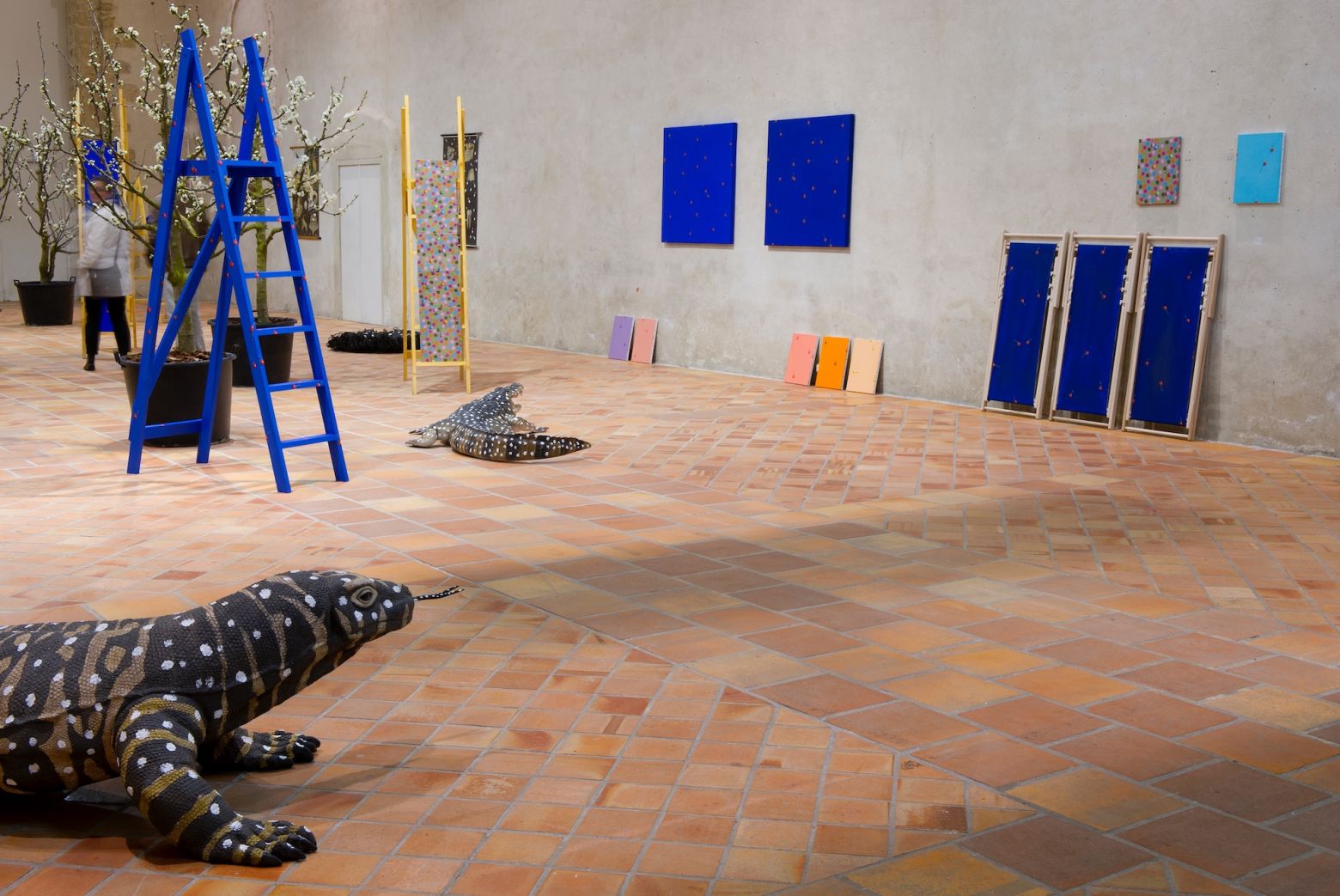
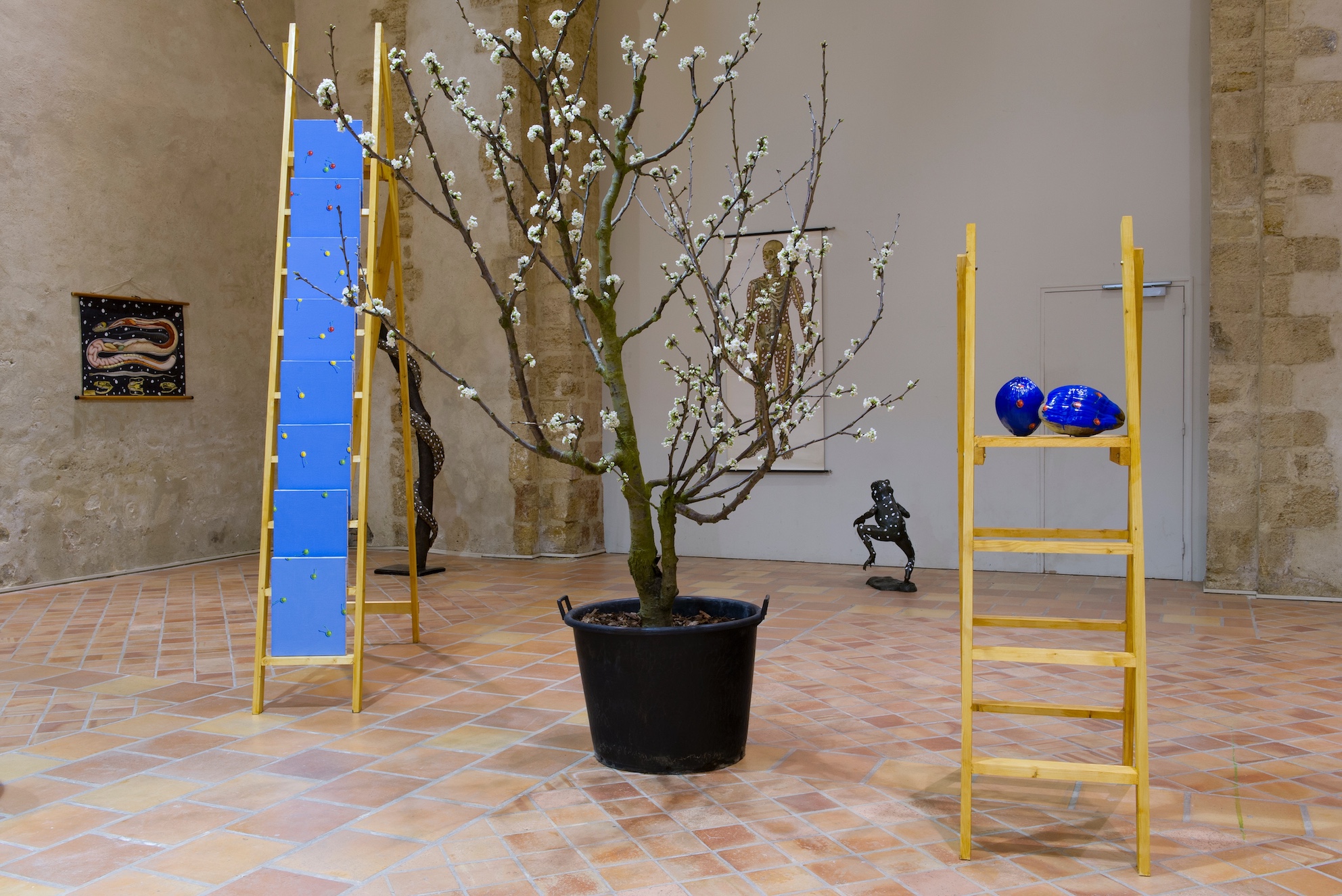
Solo exhibition, Centre d’Art La Chapelle du Genêteil, Château-Gontier, France
Curated by Bertrand Godot
2013
Le paradis perdure
And since it persists, let us go back to the Genesis. The cherry first appeared in the work of Jacques Halbert in 1975, in the most incongruous way possible, repeatedly tattooing an azure-blue construction fence. One cherry per plank, all neatly aligned. The planks are irregular, but I like to imagine that they all shared a single width—8.7 cm, for example, a measurement that has now become highly conceptual.
Very quickly, the cherry moved onto the stretched canvas, where it found its proper scale. A year later, Jacques Halbert painted the letters of the word Plaisir (1975). René Magritte would not have disavowed this variation on The Treachery of Images, this staging of the interplay between statement, object, image, and named object.
The vermilion cherry is inhabited by delight, and “the sweetness wins us over,” writes Pierre Giquel, “we are in an edible region, the party is in full swing.”
In 1978, the artist confirmed this seemingly absurd idea, which reads like a manifesto of true madness, extravagance, exclusive taste — for the work is of good taste — and lively gaiety: “to paint cherries everywhere, all the time, and think of nothing else.” To think of nothing else: in uttering these words, there is already something deeply pleasurable at stake.
And as if there were a scent of obsession in the sense understood by Harald Szeemann, who was concerned, among other things, with closed circuits and “bachelor machines,” coercion through beauty, and edifices built by the Enlightened. Obsession, writes Harald Szeemann, is “a joyfully recognized unit of energy.”
For Jacques Halbert, this obsession takes a vaguely oval form, carmine and vermilion in color, extended on its left side by a streak of emerald green. Yes — the stem is also of great importance.
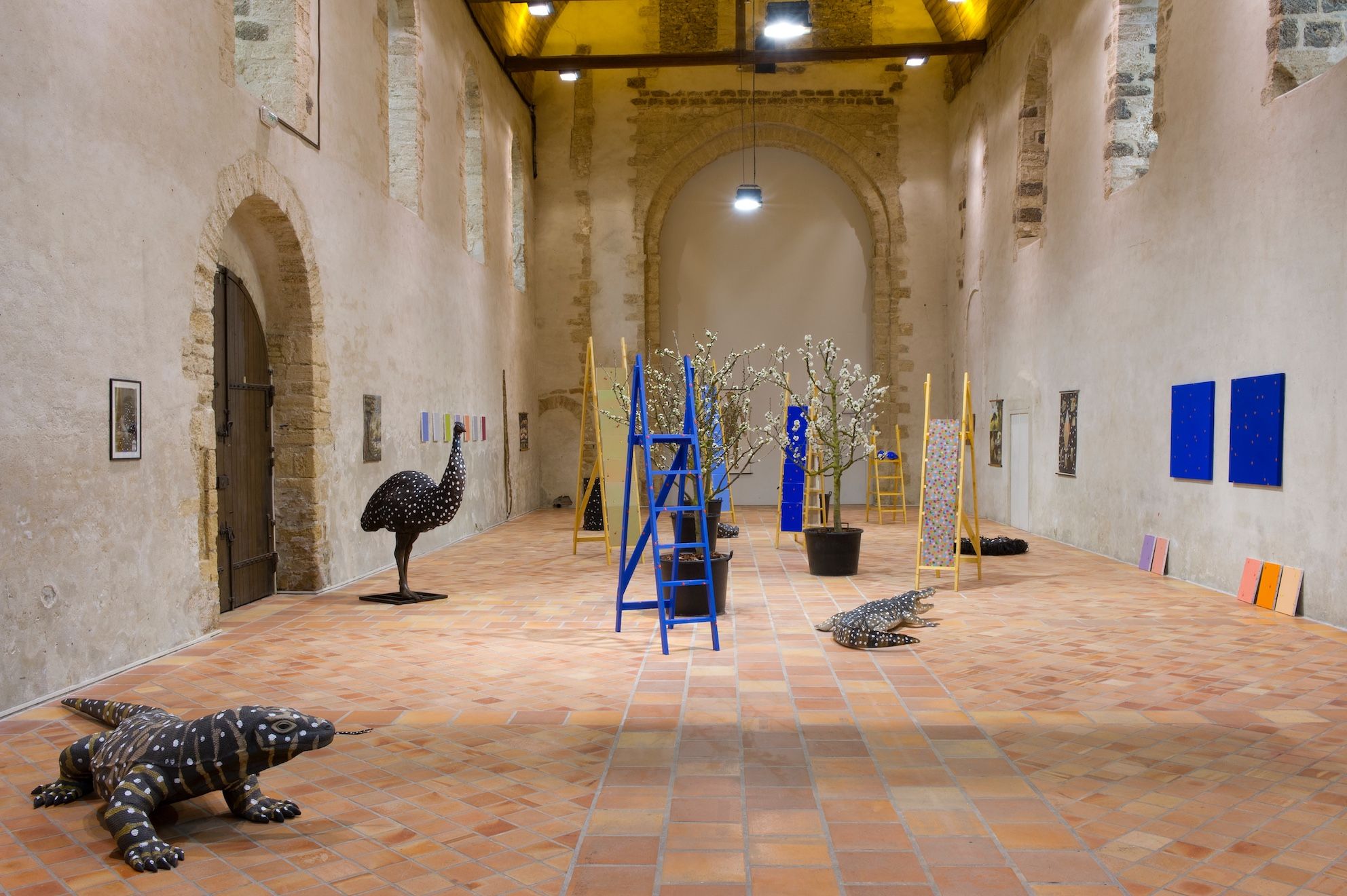
Photo Marc Domage
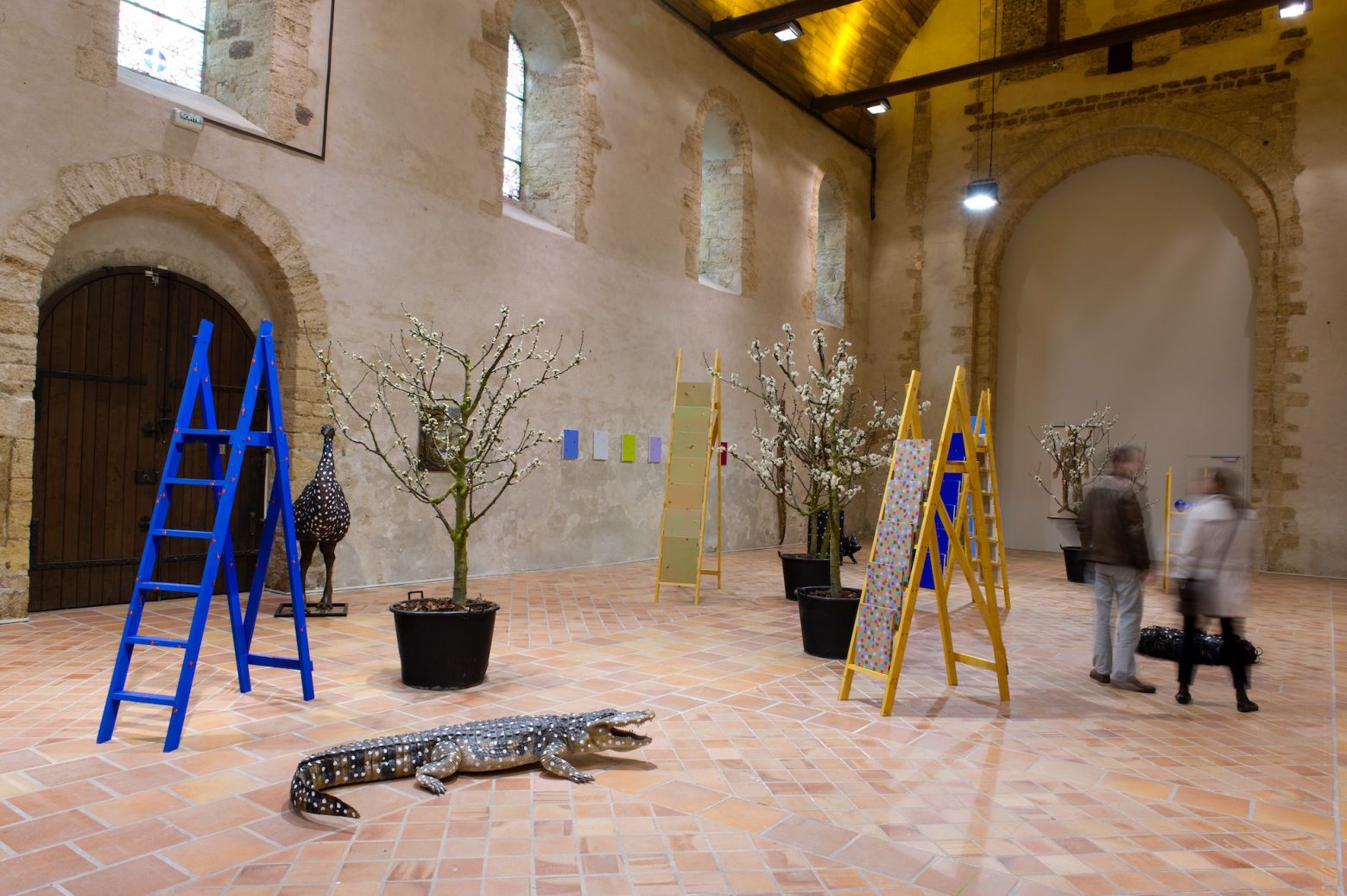
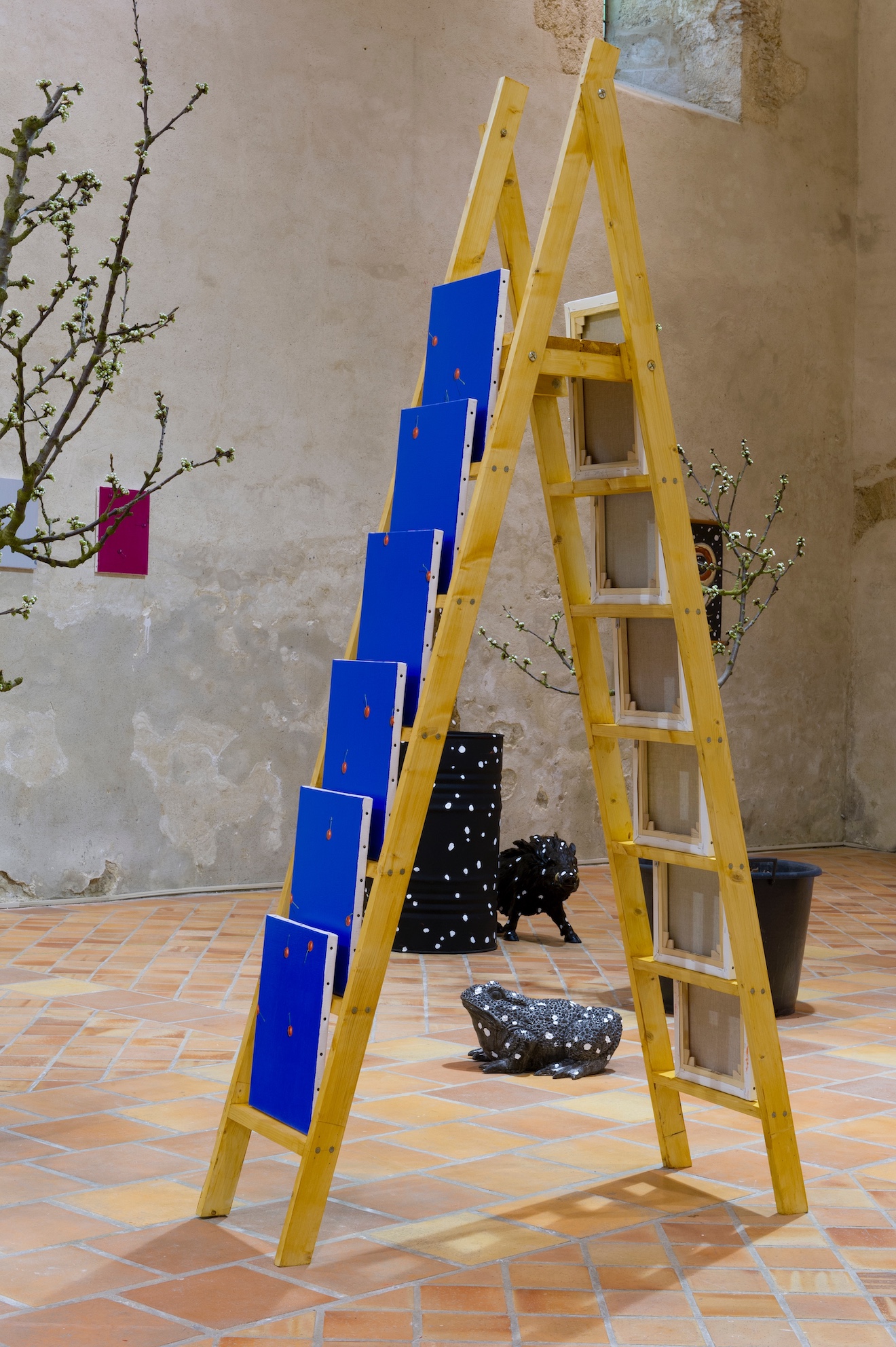
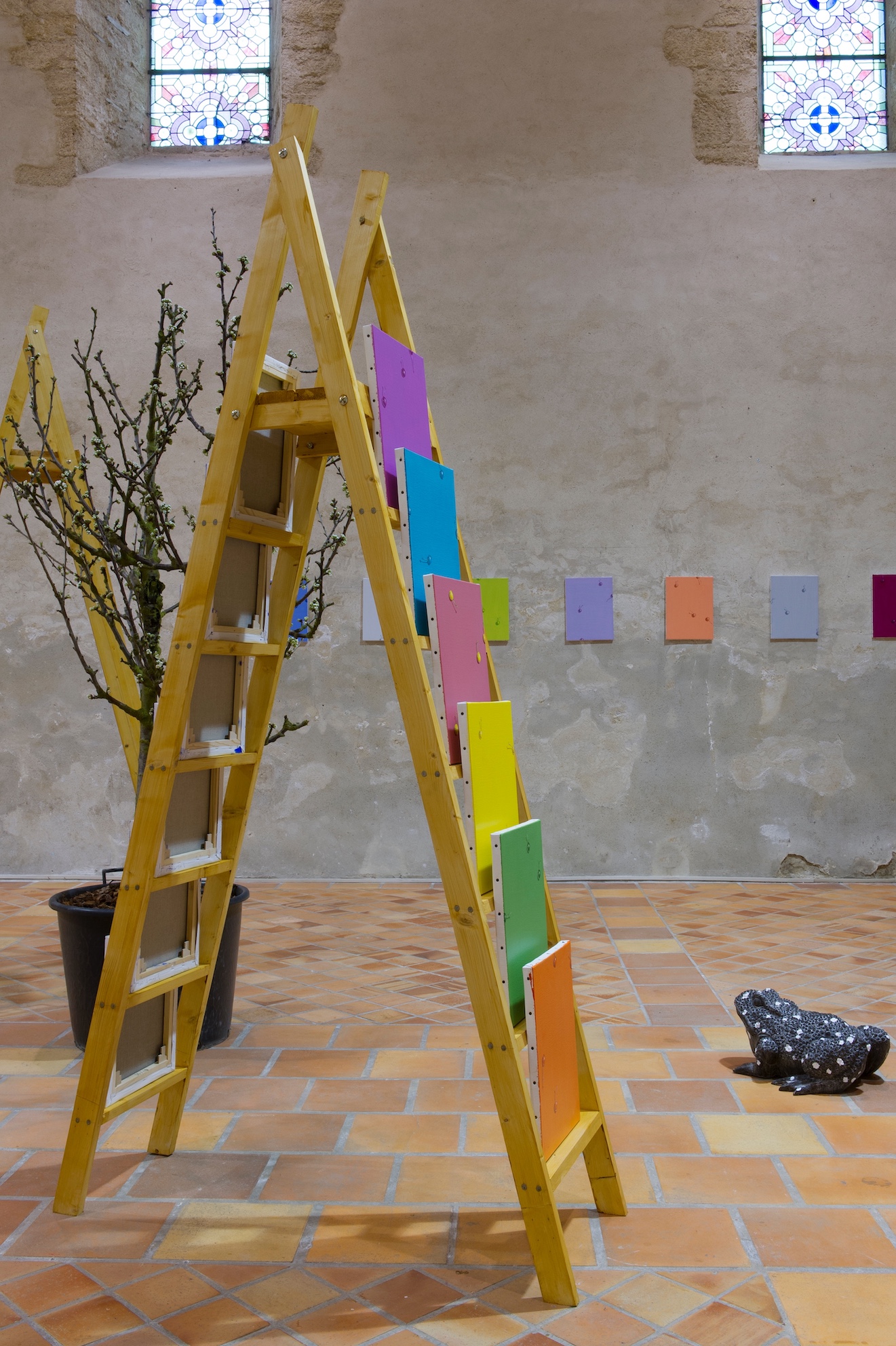
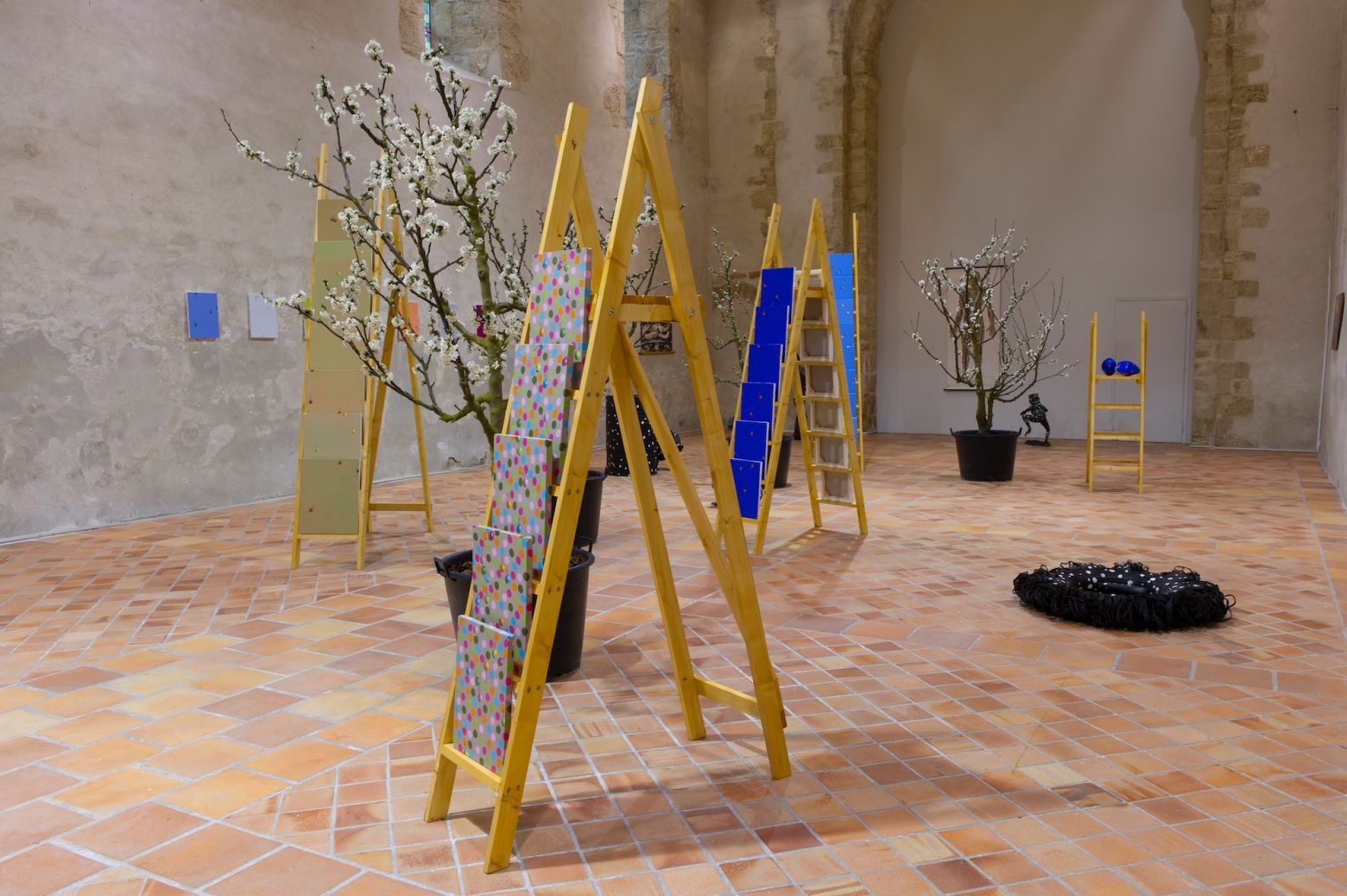
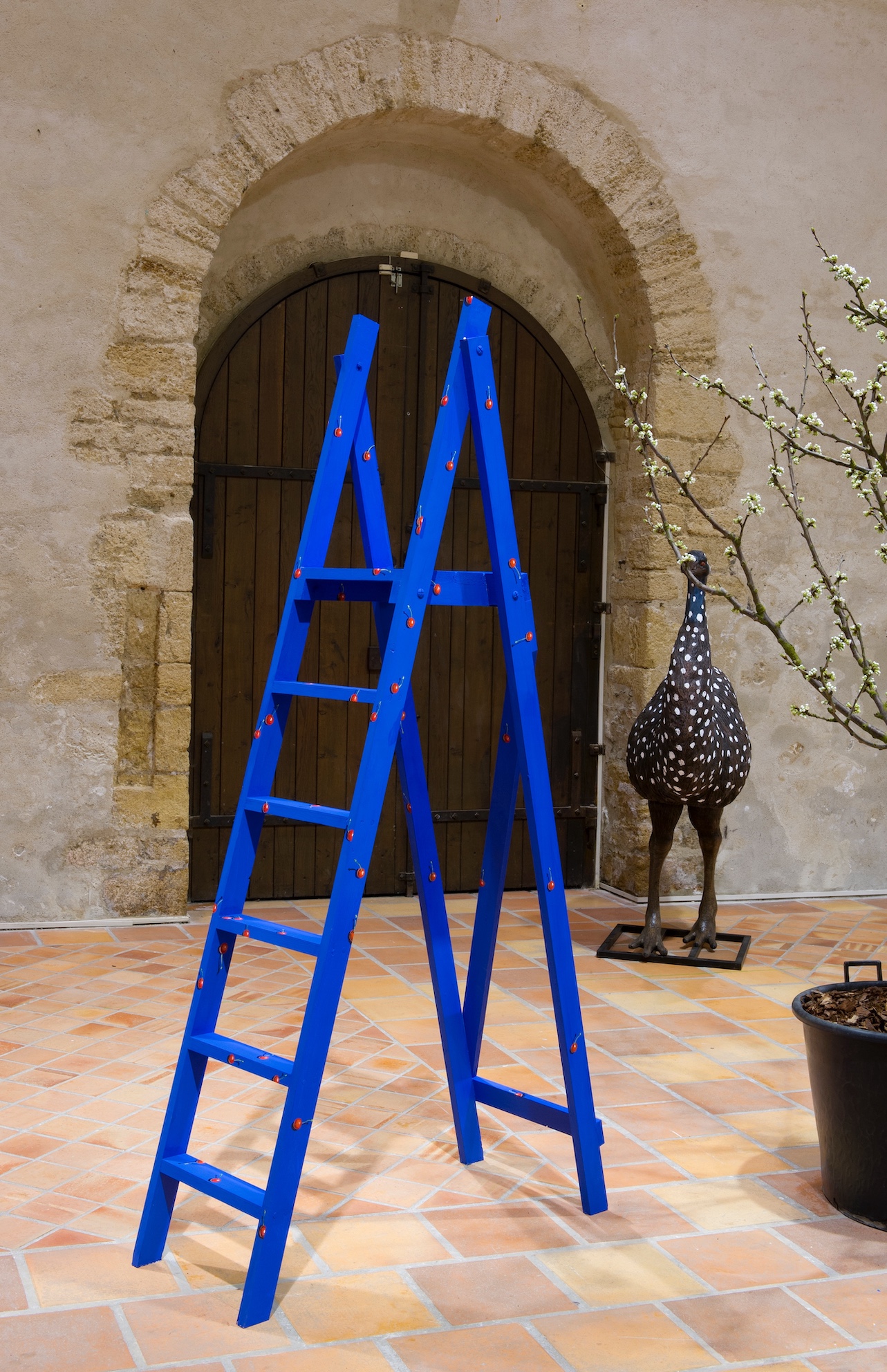
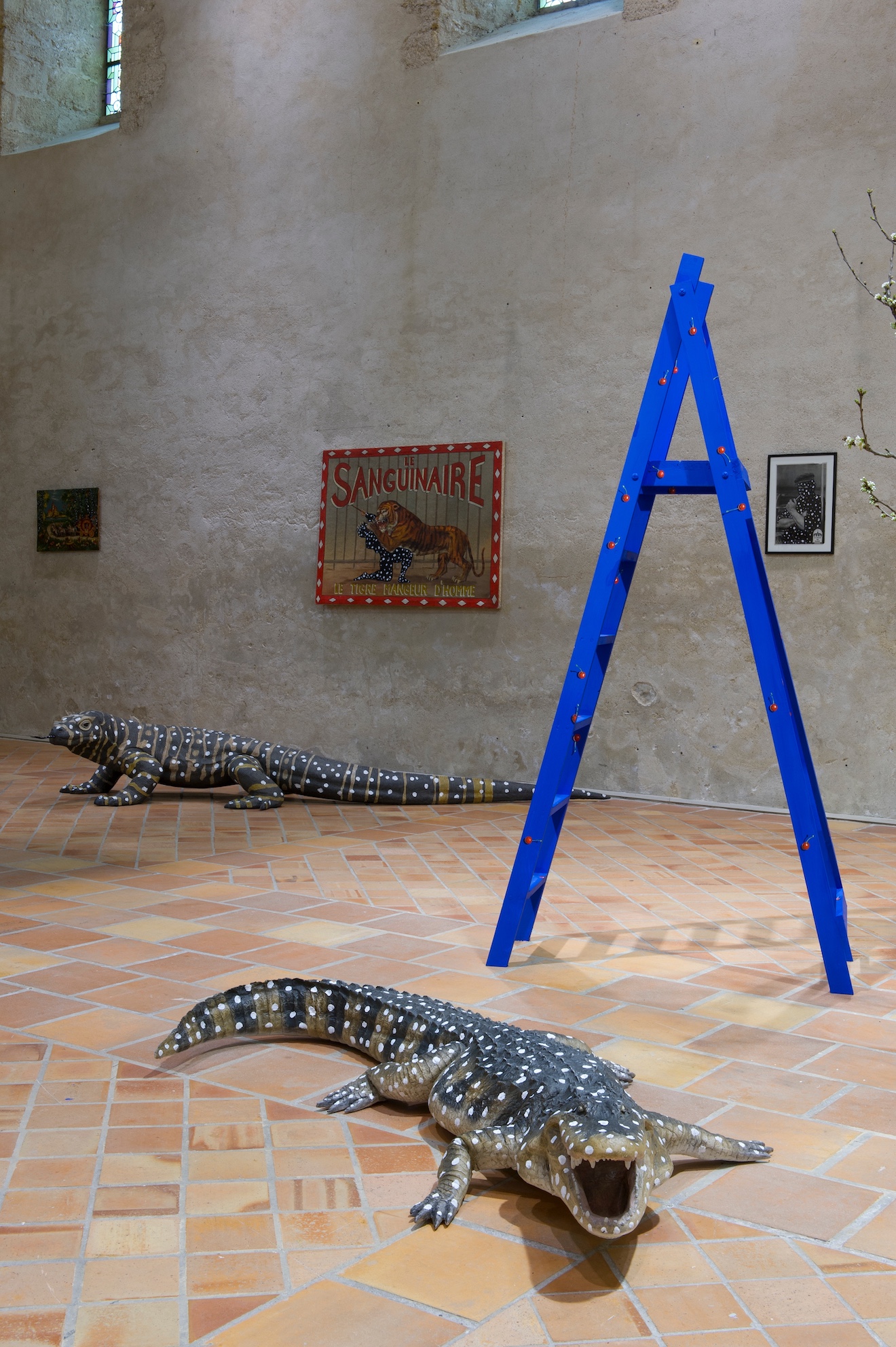
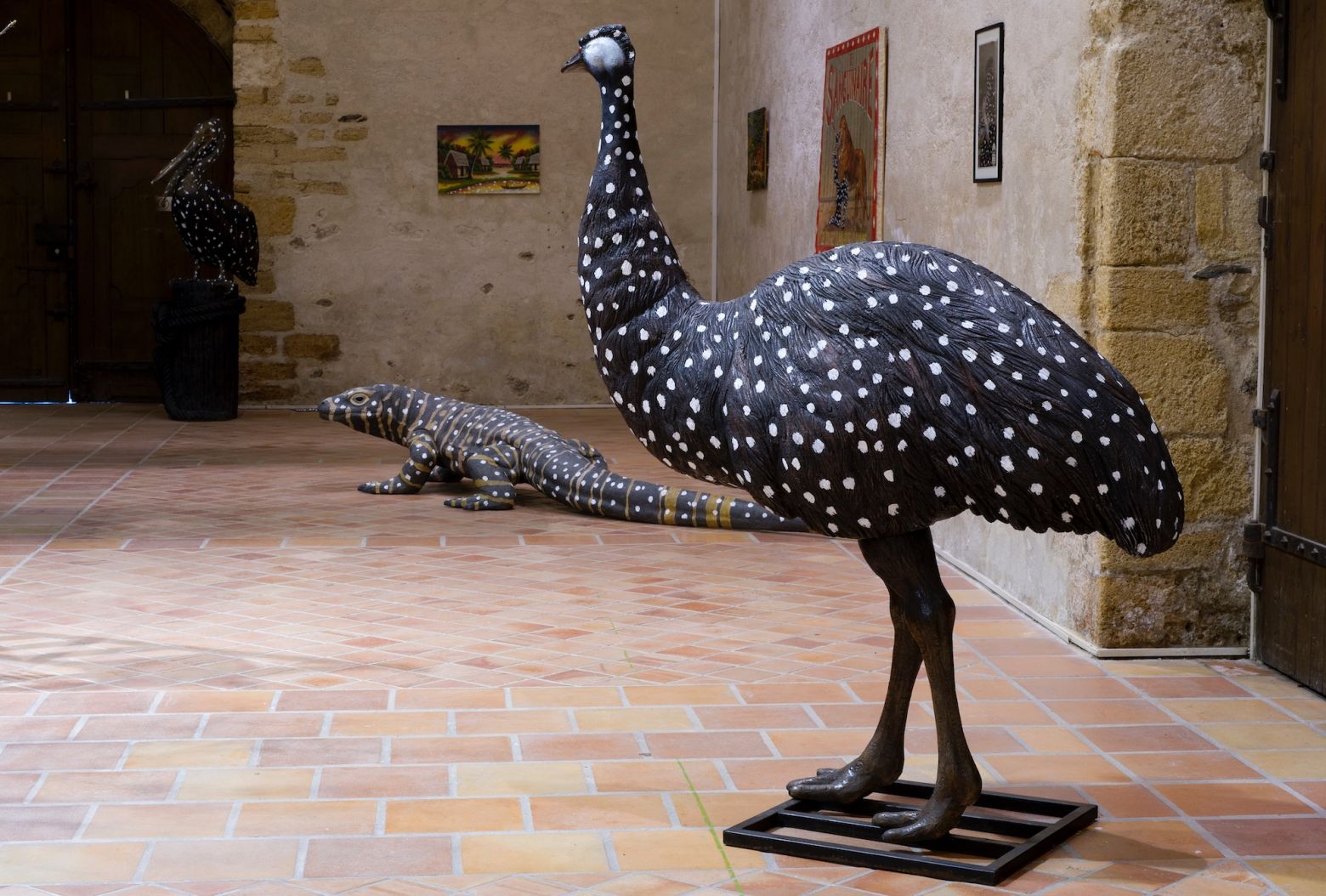
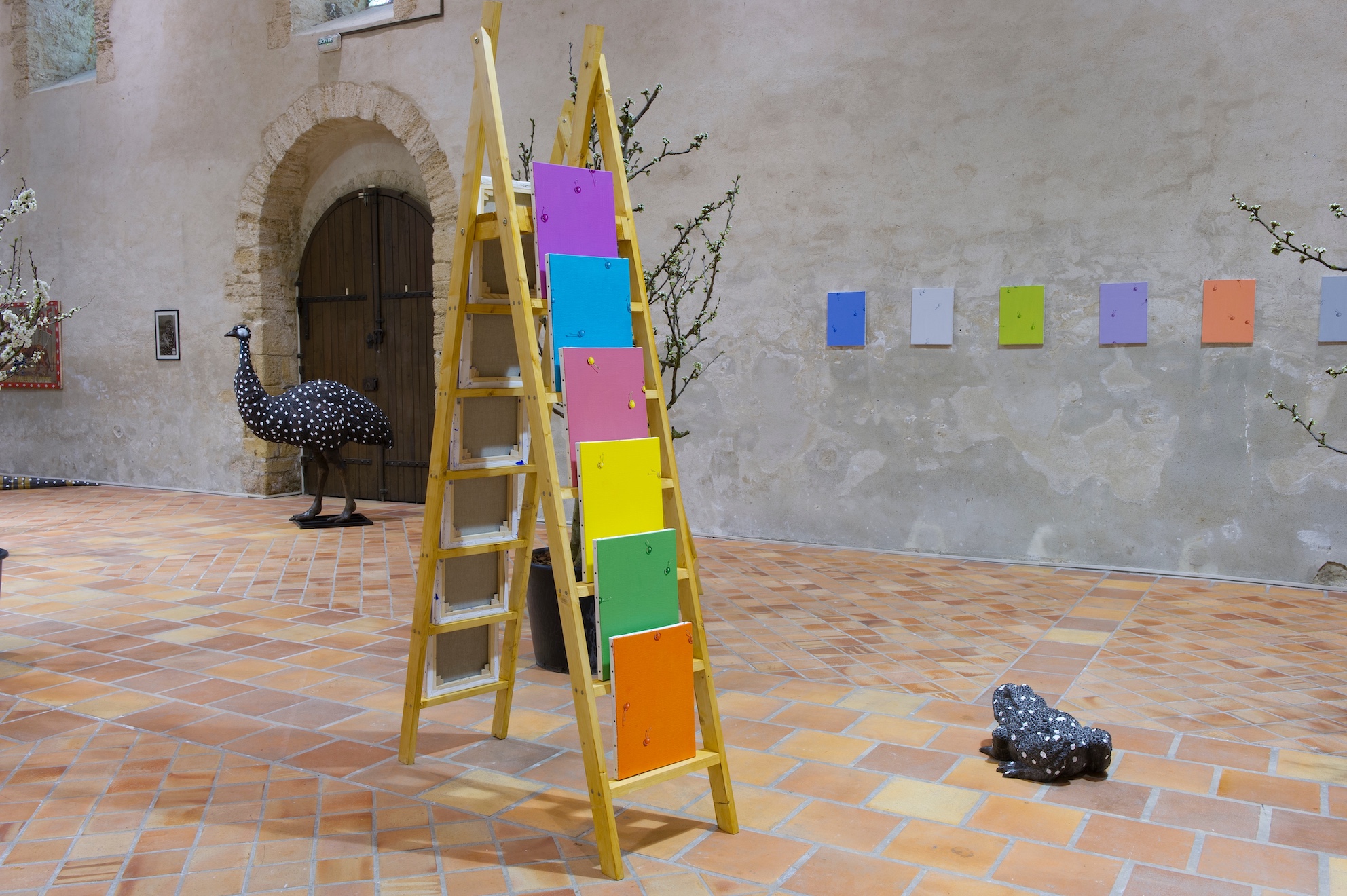
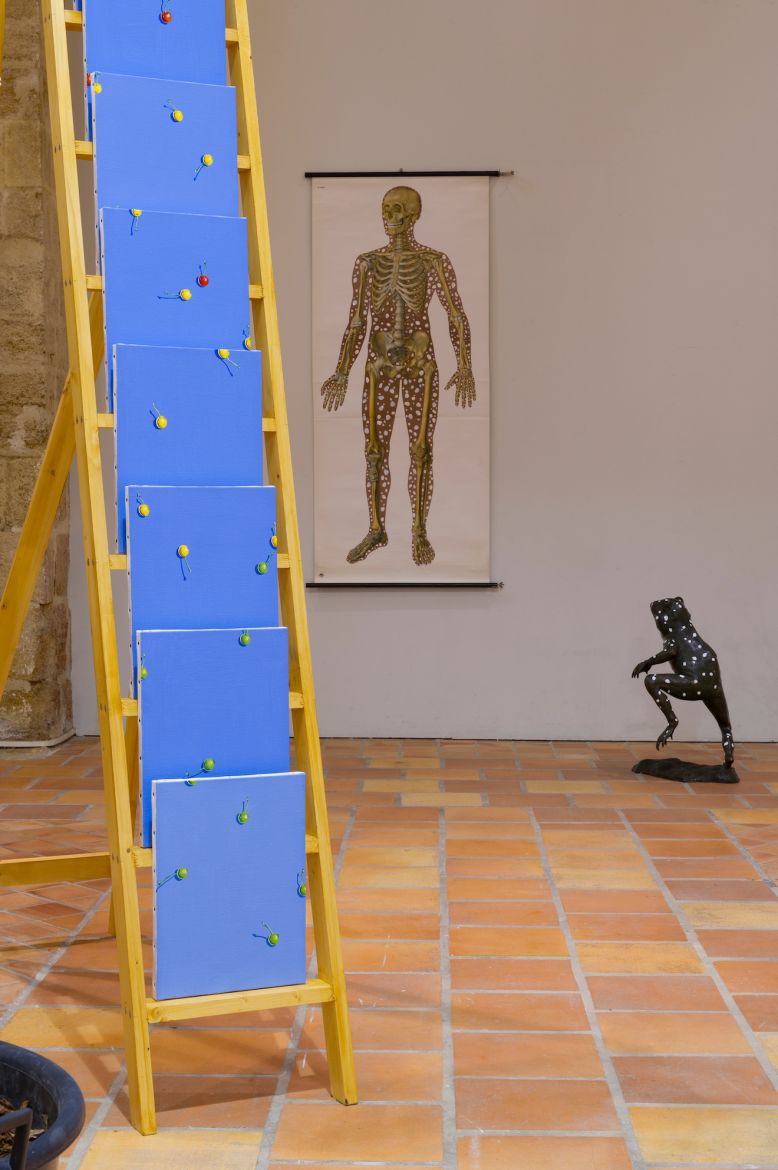
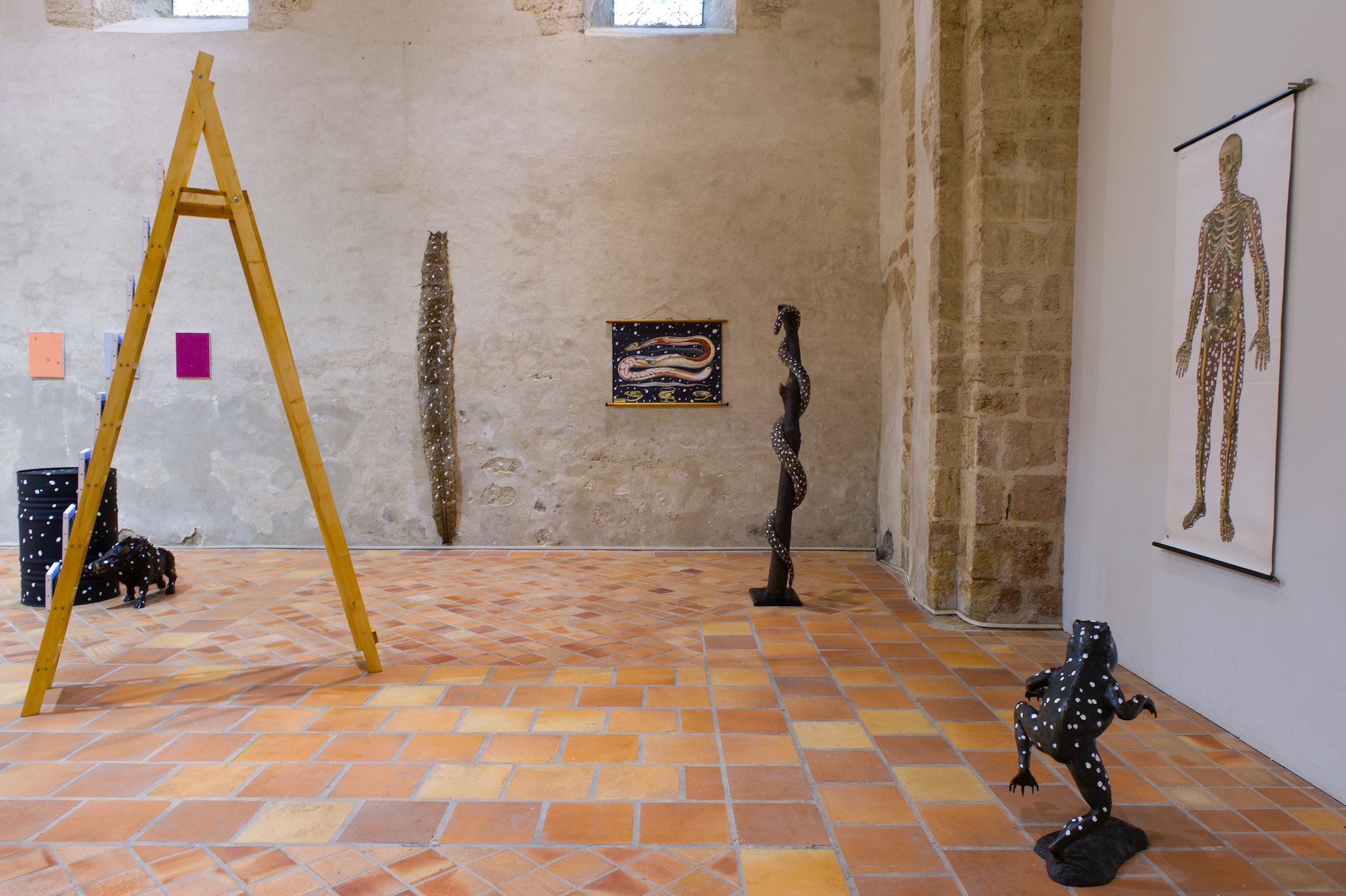
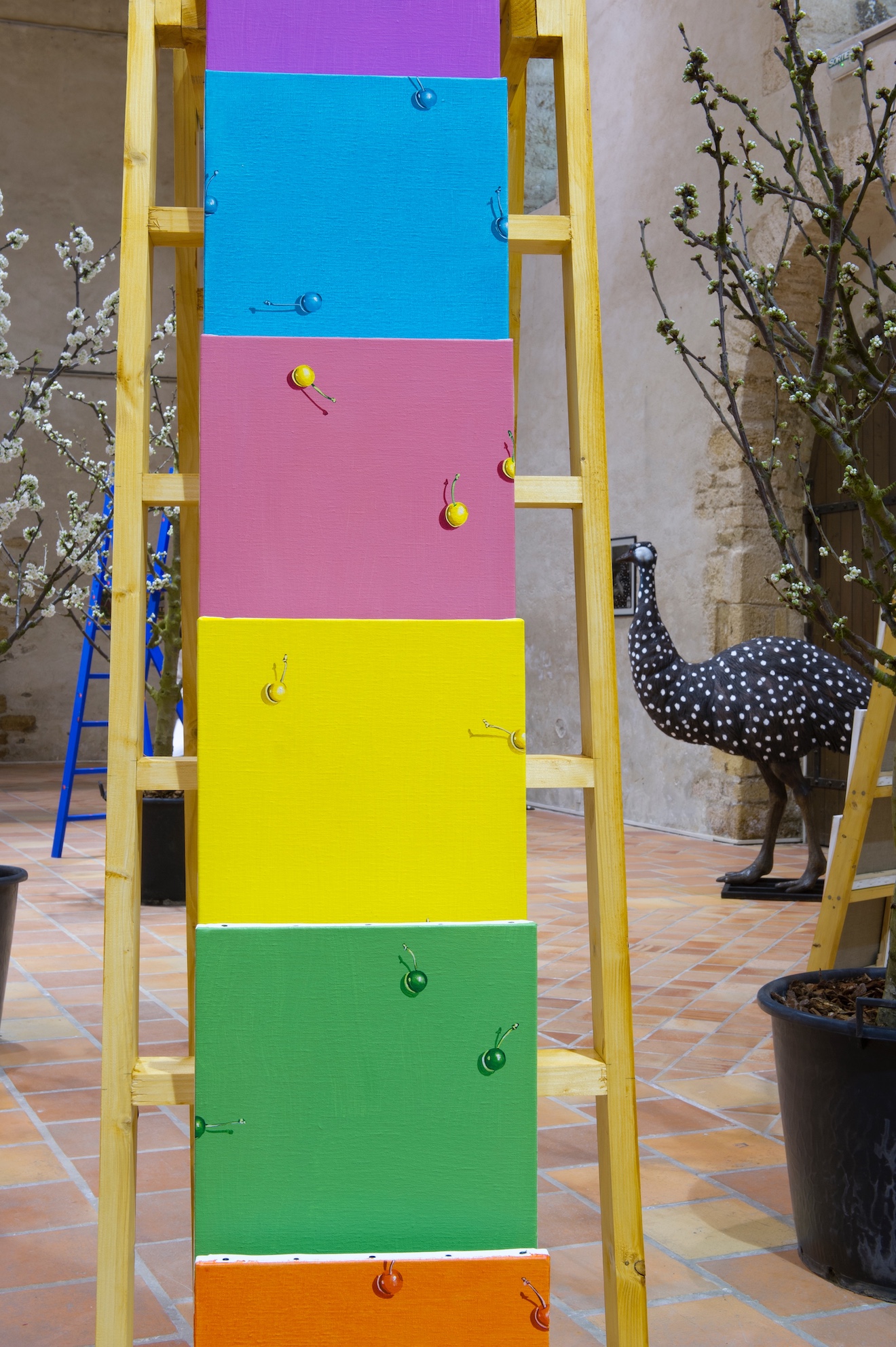
Photos Marc Domage
Hindoue dingue
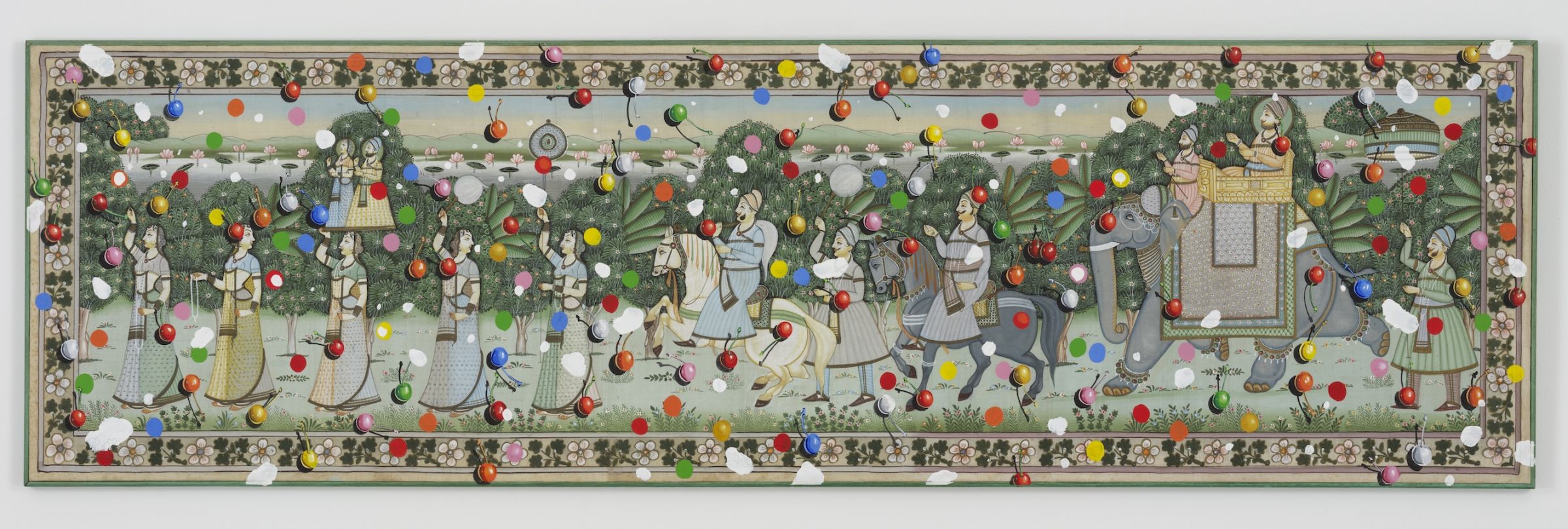
Capitaine Lonchamps and Jacques Halbert
Hindoue dingue, 2013
Acrylic on Indian canvas
20.7 × 69.3 in
Photograph by François Lauginie
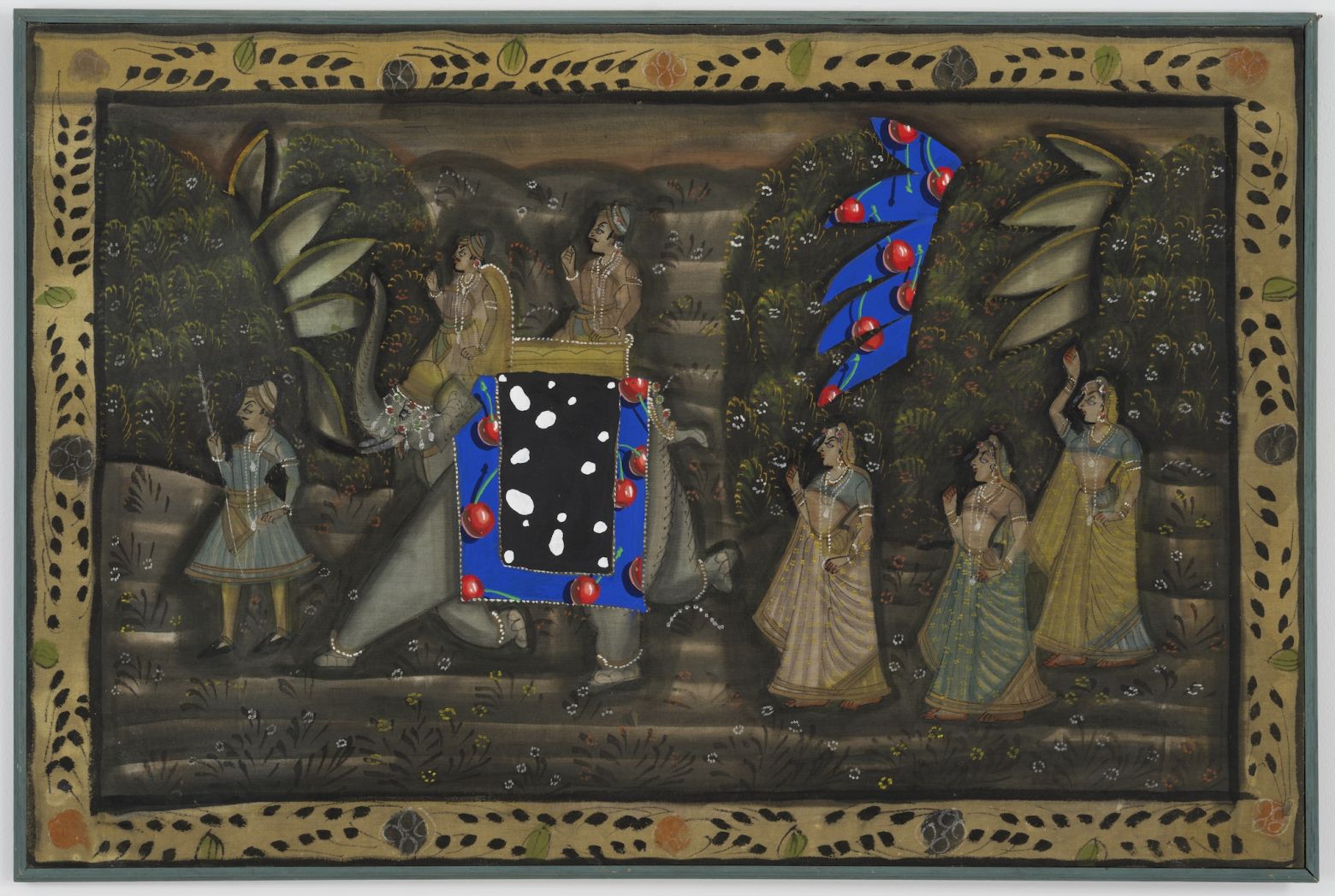
Capitaine Lonchamps and Jacques Halbert
Hindoue dingue, 2013
Acrylic on Indian canvas
22.6 × 33.7 in
Photograph by François Lauginie
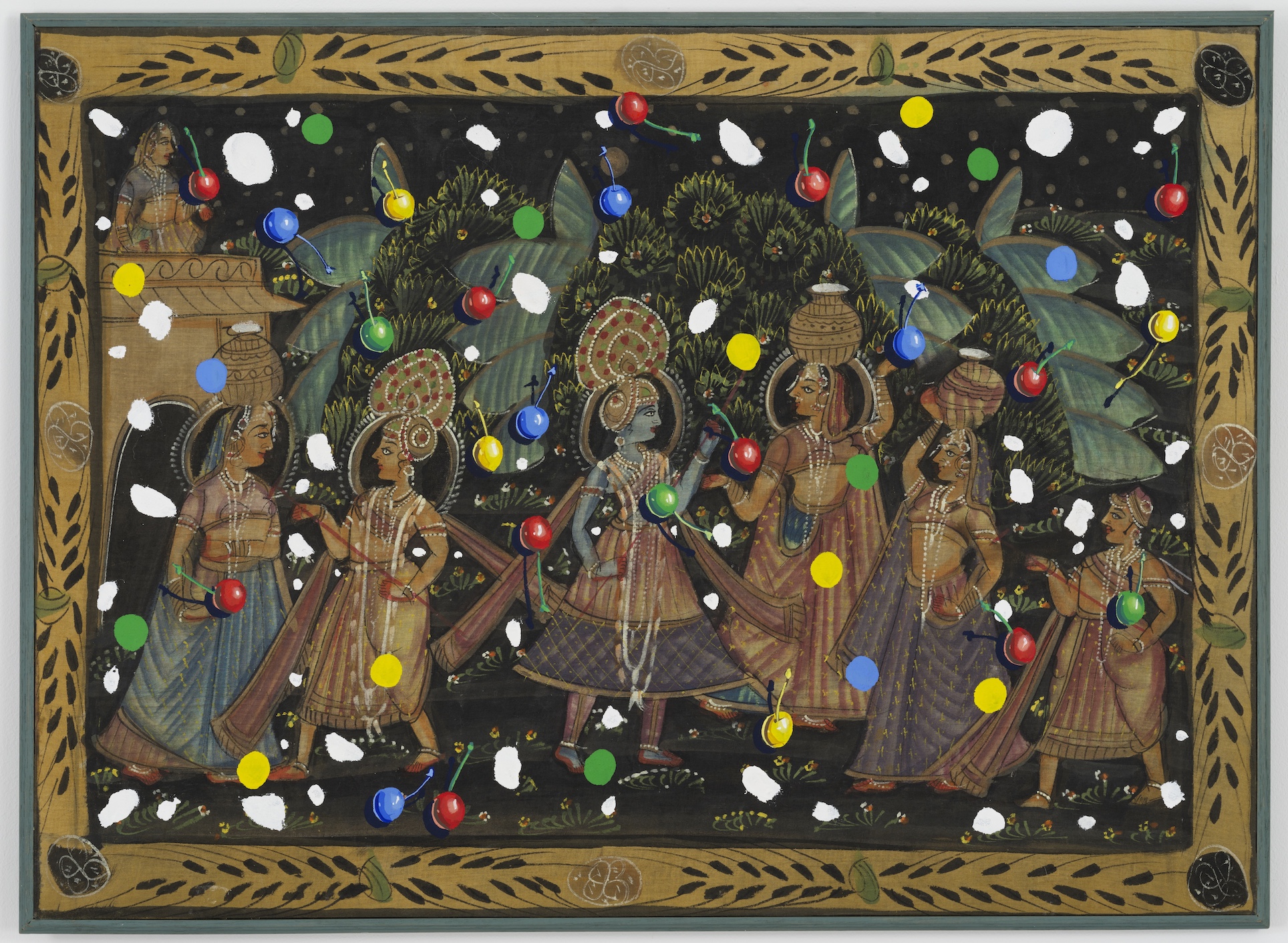
Capitaine Lonchamps and Jacques Halbert
Hindoue dingue, 2013
Acrylic on Indian canvas
22.6 × 30.5 in
Photograph by François Lauginie
Editions
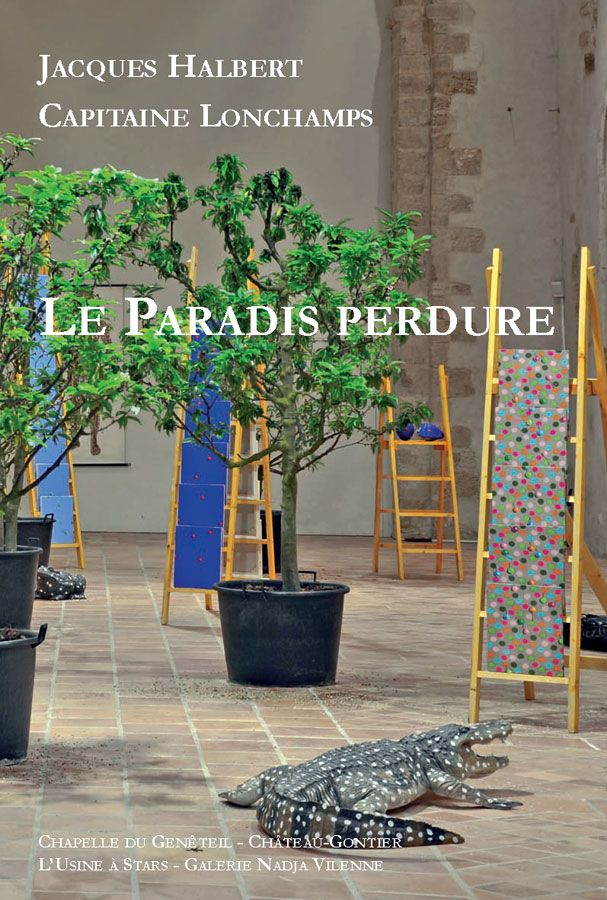
Jacques Halbert – Capitaine Lonchamps
Le Paradis perdure
An 80-page volume, color illustrations, 20 × 13.5 cm (7.9 × 5.3 in)
Text: Jean-Michel Botquin
French
A co-publication by L’Usine à Stars – Galerie Nadja Vilenne / Chapelle du Genêteil, Contemporary Art Center
ISBN: 978-2-9543196-29