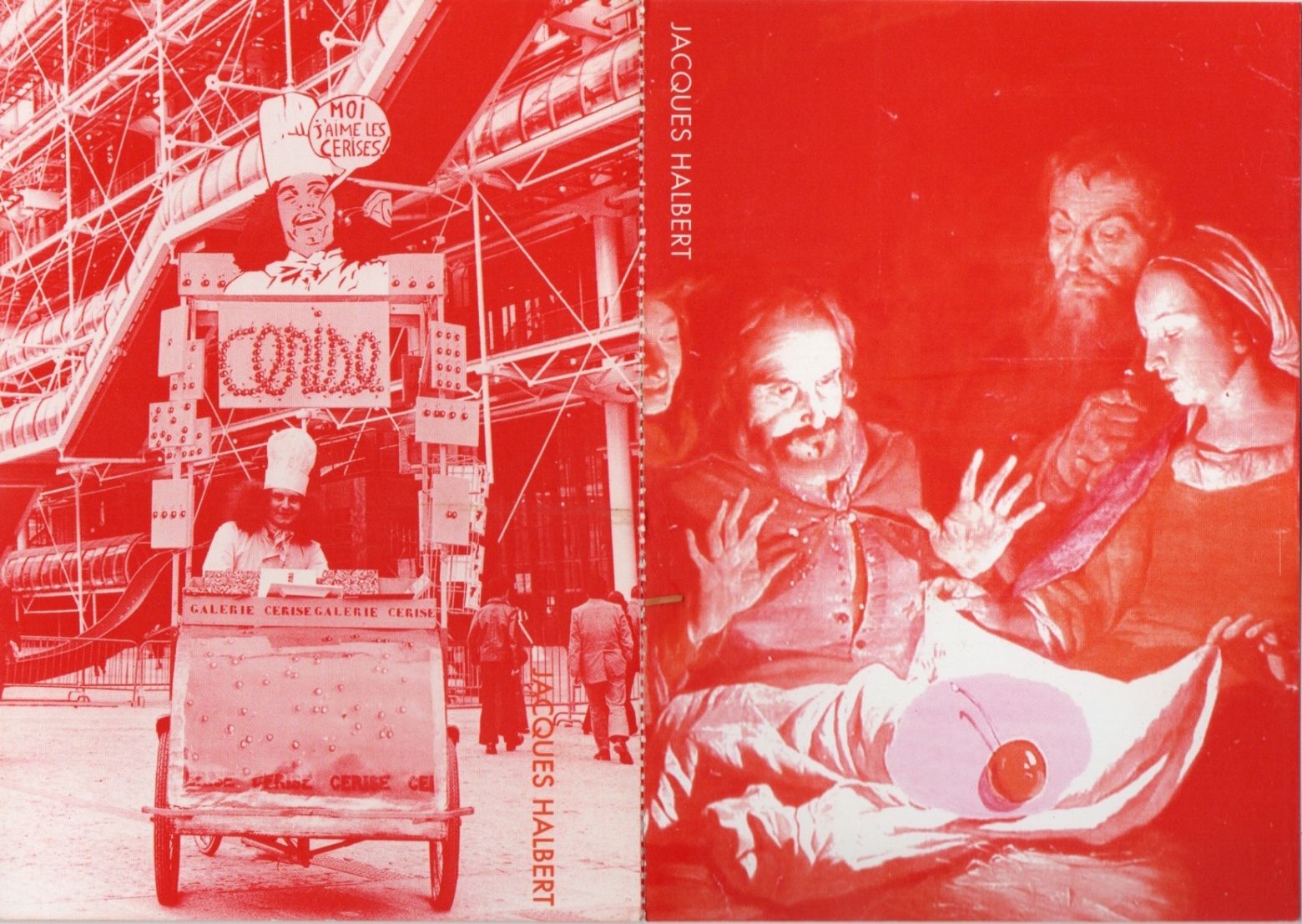
Le mur du rire
Curated by Frédéric Bouglé
2003
Y’a bon !
Some complained that Francis Picabia had, “Made too many jokes with his painting.” They would have probably continued to complain if history had not succeeded in forgetting, if not completely, not quite. Jacques Halbert’s first painted cherry is perhaps just such a joke. This latter artist hardly waited to be reproached by such reactionary minds, (the Paris seventies found it hard to tolerate a giant’s laughter), he took off, as they say, for the USA, making a sprightly landing and a sure step forward, continued his way without the slightest regard for so many established ideas. Adventures that begin with painting are heady with attitude. During his years of learning, Jacques Halbert turned himself into a Master Chef, without knowing of the art of performance. He produced an unrestrained mixture from followers of Support-Surface, Ben, the BMPT group and Fluxus; the cherry was to become his “Manifesto of good taste,” which he never abandoned. A solitary figure among other now central figures of today’s art, our man escaped from the claws of fame that may carry you away, against your will, in digestive wanders after the diet. For Halbert, dieting is forbidden, self-indulgence wins over, and this is a comestible area, the party is on, dare one say, and rages. Let’s swear in harmony with our times. With titles we believe harmless, “Souple rosé,” “Souple bleue,” delectation is never far away. As a kick in the teeth for guardians of a ruined temple, it is an audacious gesture. Jacques Halbert doesn’t justify anything. However, the tongue in check reference is honed sharp; the theoretical apparatus and its weakness. You smile, and even laugh unchecked! The only certainty, “PLEASURE,” written on canvas, with fruits sinuously lettering the promise. Brushwork as a line of cocaine, to not abstain. A billboard.
“Cherry-Cherry,” or a little sweet and sour in your pop. The double attachment to popular imagery and museum painters, to whom homage is impertinently made, constitutes his singularity. Better, enjoy a Turner in the morning and make a performance in the afternoon, maybe it is about that, to not grow old among the old farts. In an interview with
Frédéric Bouglé, Jacques Halbert speaks of, “The Mocking bird’s pleasure at Springtime.” Everything is there, that’s to say not much, but grandly.
And if there is an art-à-tarte, enjoy it, follow it.
“Y’a bon...” Jacques told me that, “Even a Rembrandt trickles”. Music and desinvolture :
Y’a bon chef-d’œuvre
Vive la cerise vive la cerise
Y’a bon la fraise
Vive la crise vive la crise
And then came the potato cigar holder. Just how a good cigar lit up by Alfred Jarry excites criticism. Later on, the “Tickly Buddhas” who were to Jacques what the Spanish were for Francis. Then nudes with fruit appetizers. Recently, for those who make travel an art of disillusion, deciphering the banks of the Loire is hardly a simulation : The return of the mockingbird who makes fun of everybody.
With “The Wall of Laughter” for the Creux de l’enfer, the film is stimulating. Each laugh is a brief flight, but sometimes in the wind, when the sound takes off, one hears in the depths,
a quite strident air. How can these exclamations be distinguished without perceiving their madly chasing shadow, tragic and nervous, under the flour and cream? when the clown stands back, how can one not perceive, among the friendly cheer, the outstretched welcome and the laughter, the one, the only one who is never replete, who cuts and rebels ?
Pierre Giquel
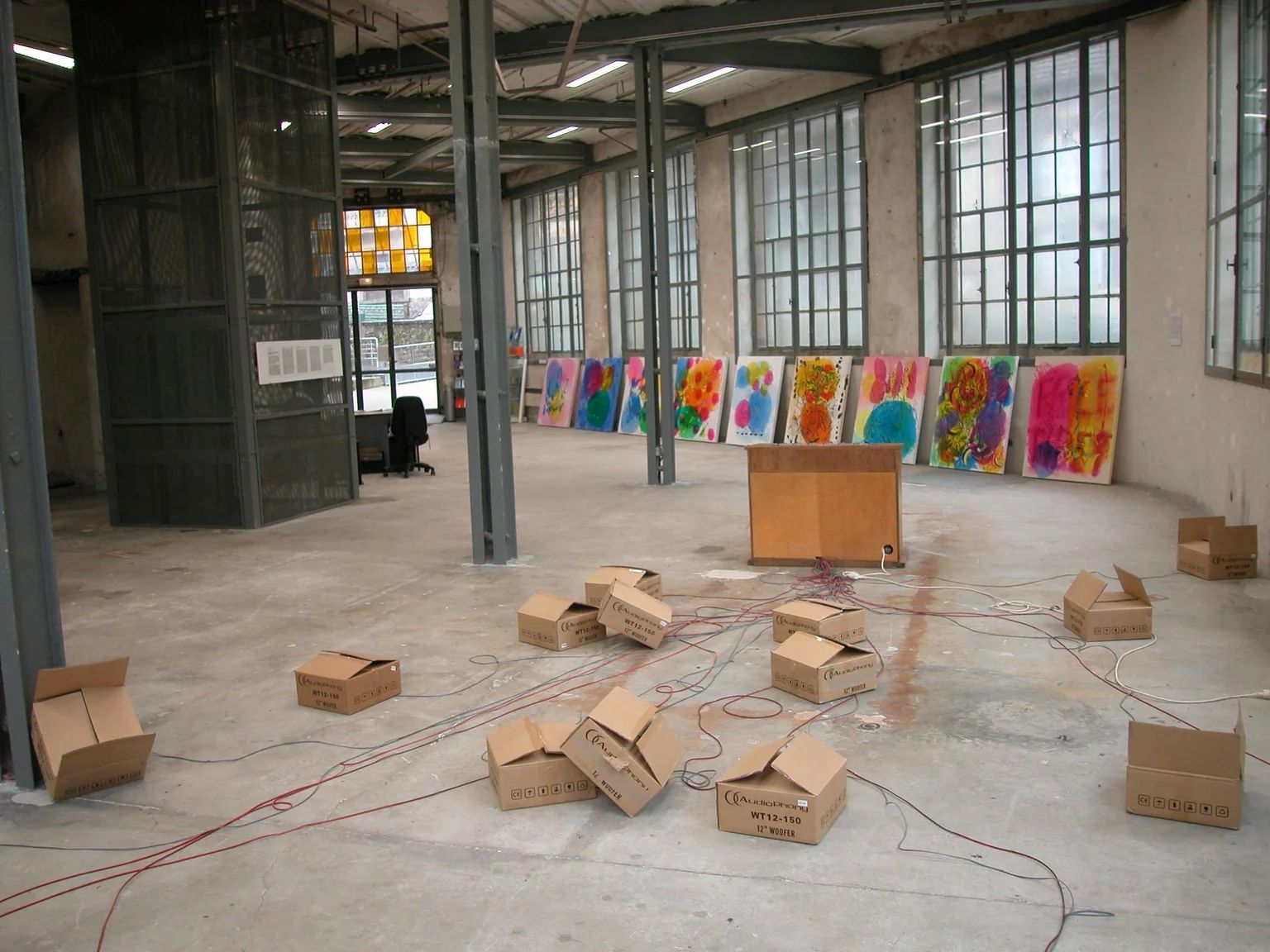
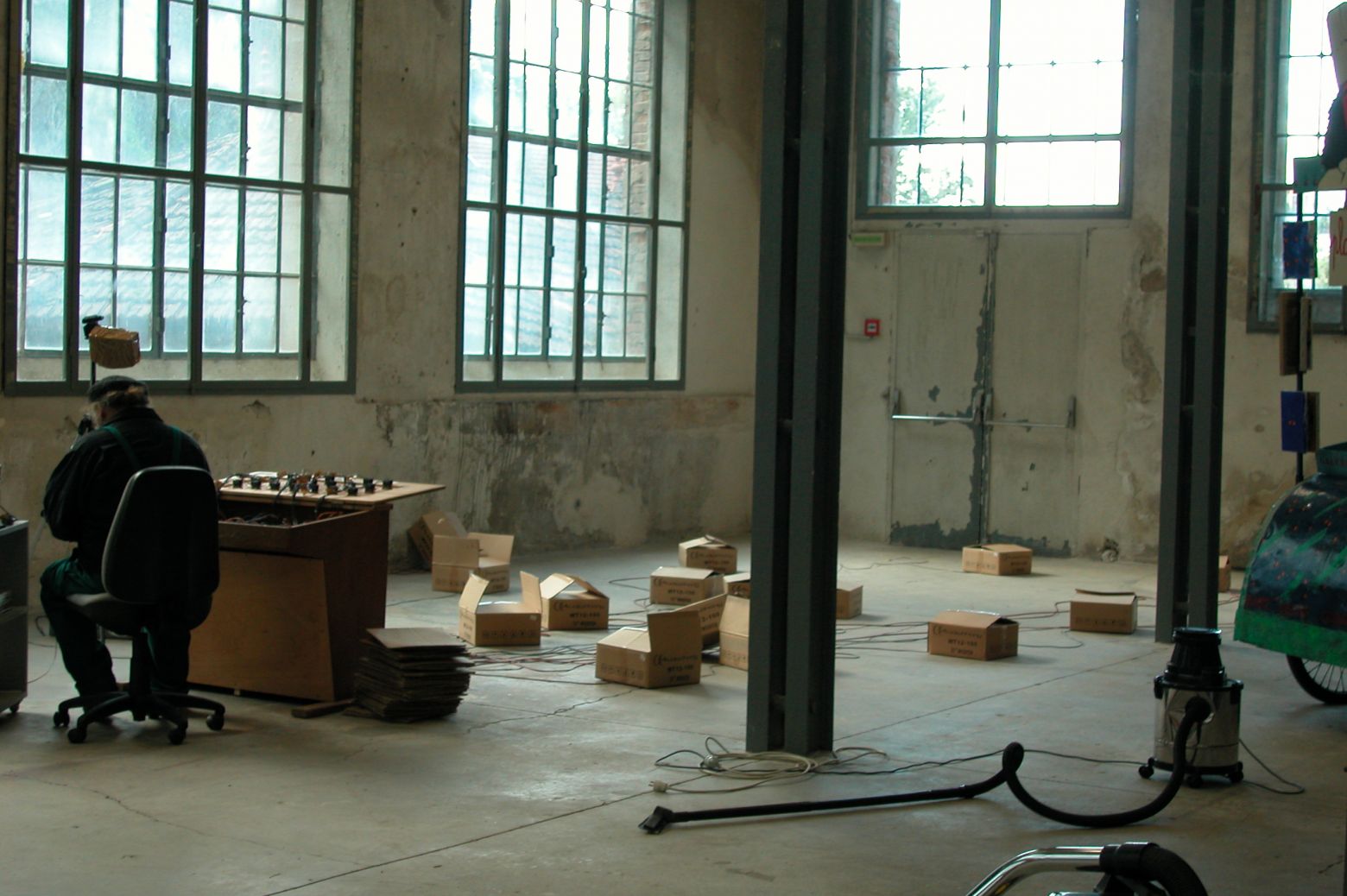
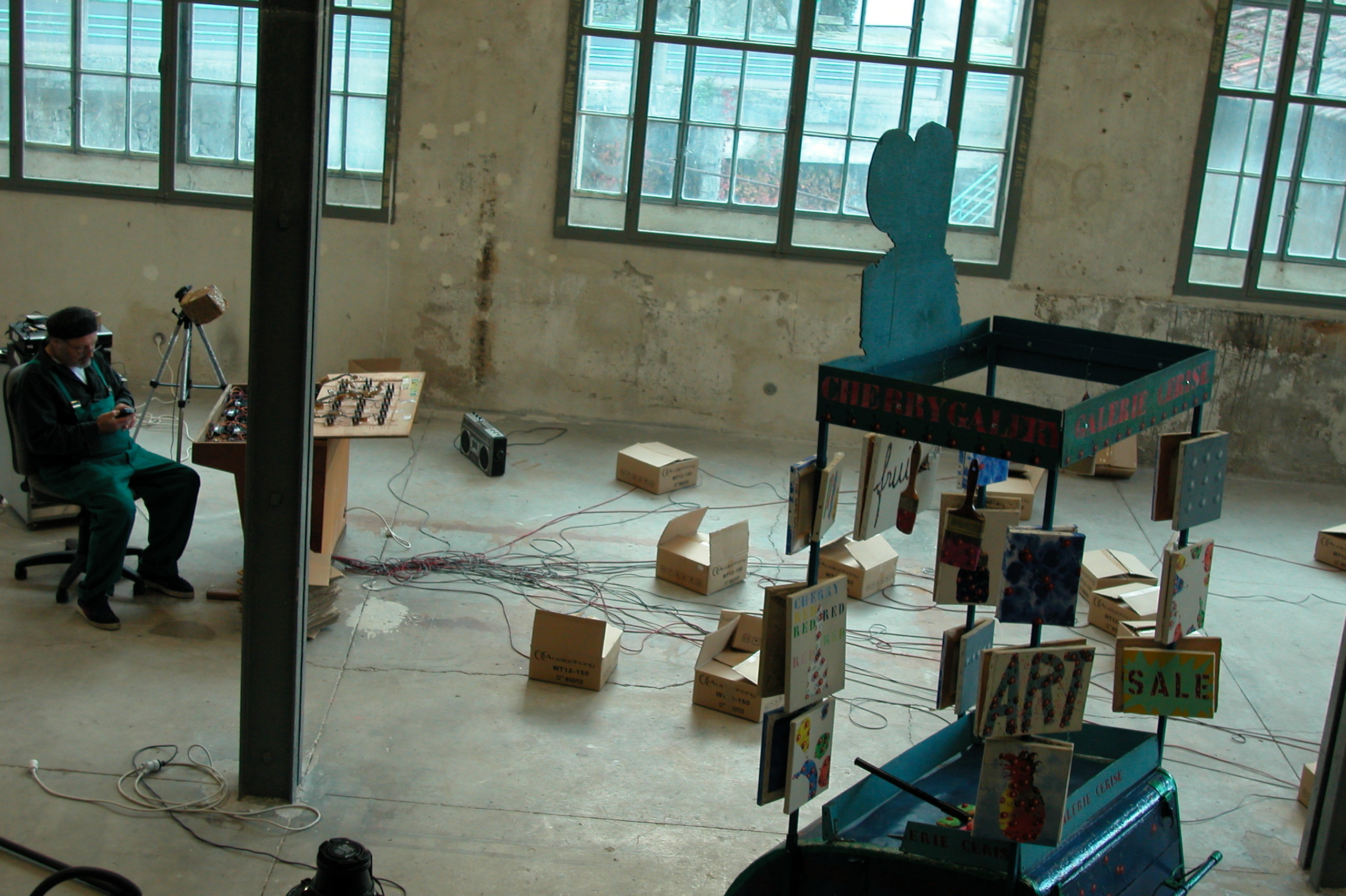
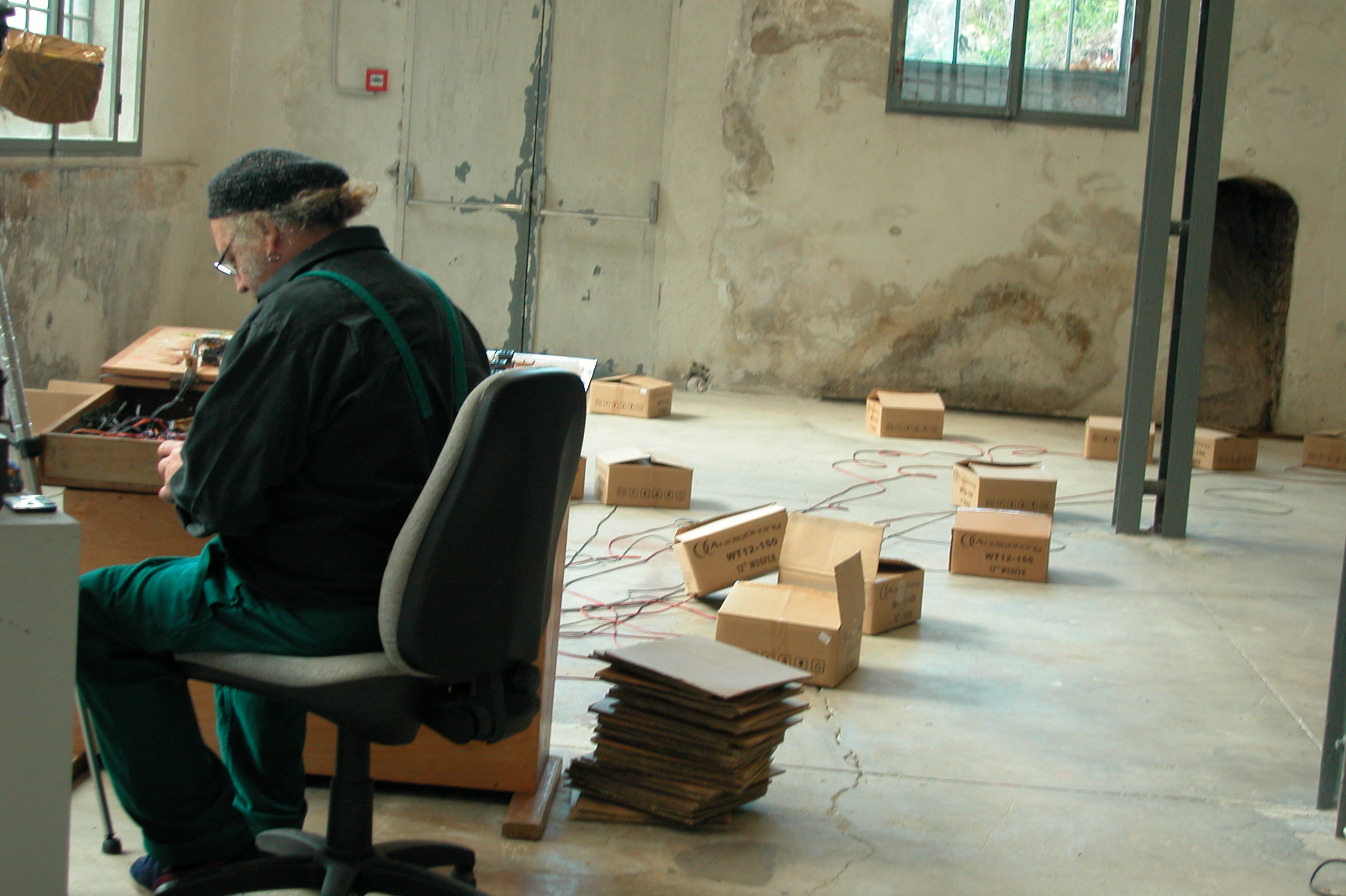
The Wall of Laughter, 2003
Sound installation composed of 20 loudspeakers vibrating with the living force of artists’ laughter.
Thus, the laughter of Éric Andersen, Ben Vautier, Julien Blaine, Charles Dreyfus-Pechkoff, Jean Dupuy, Gérard Fromanger, Michel Giroud, Jacques Halbert, Geoffrey Hendricks, Joël Hubaut, Spike Jones, Larry Miller, François Morellet, Catherine Parisot, Ben Patterson, Takako Saito, and Liliane Vincy are contained and preserved forever within a single artwork.
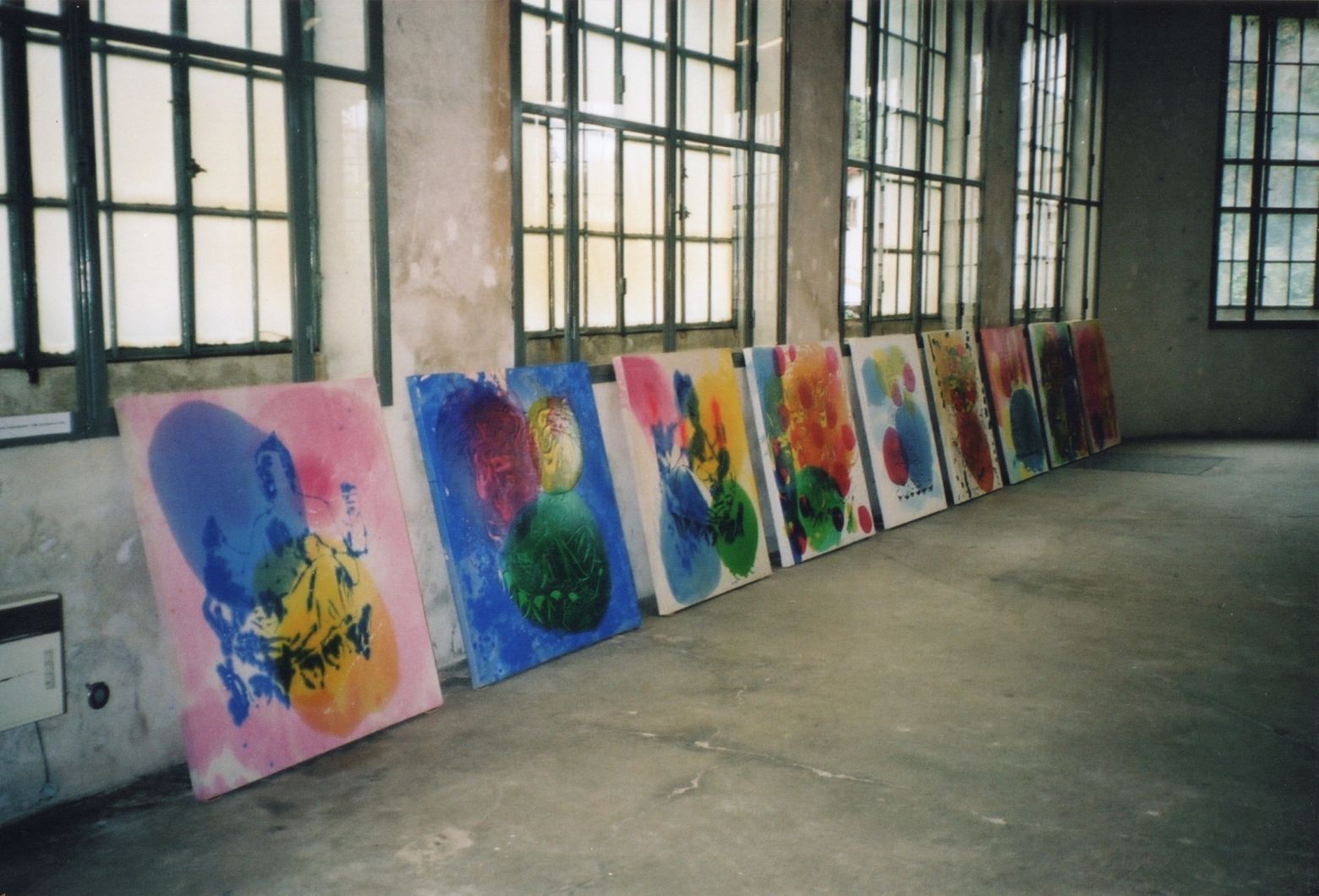
Buddha Series, 1996–1998
9 canvases, 47.2 × 39.4 in each
Acrylic and varnish on canvas
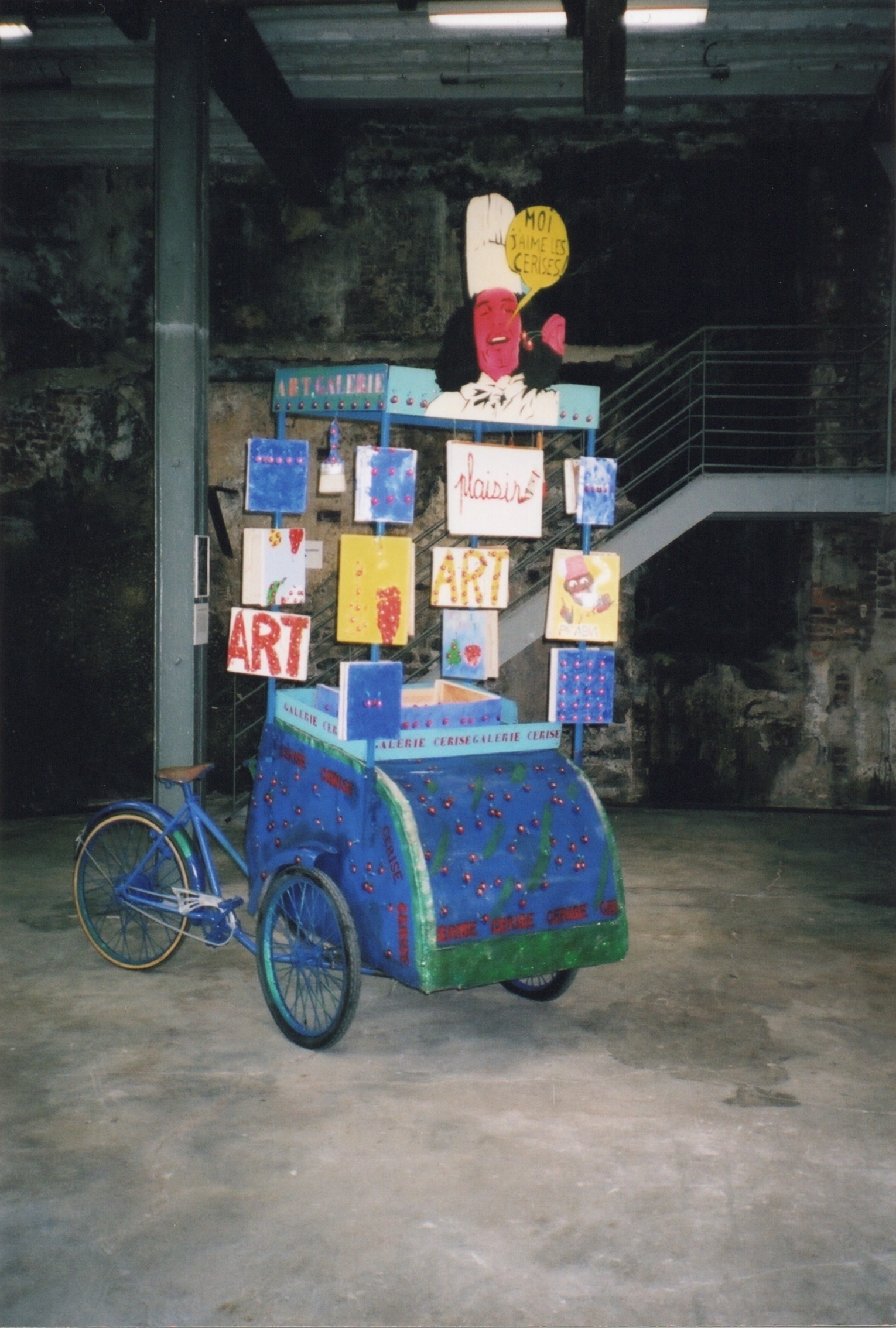
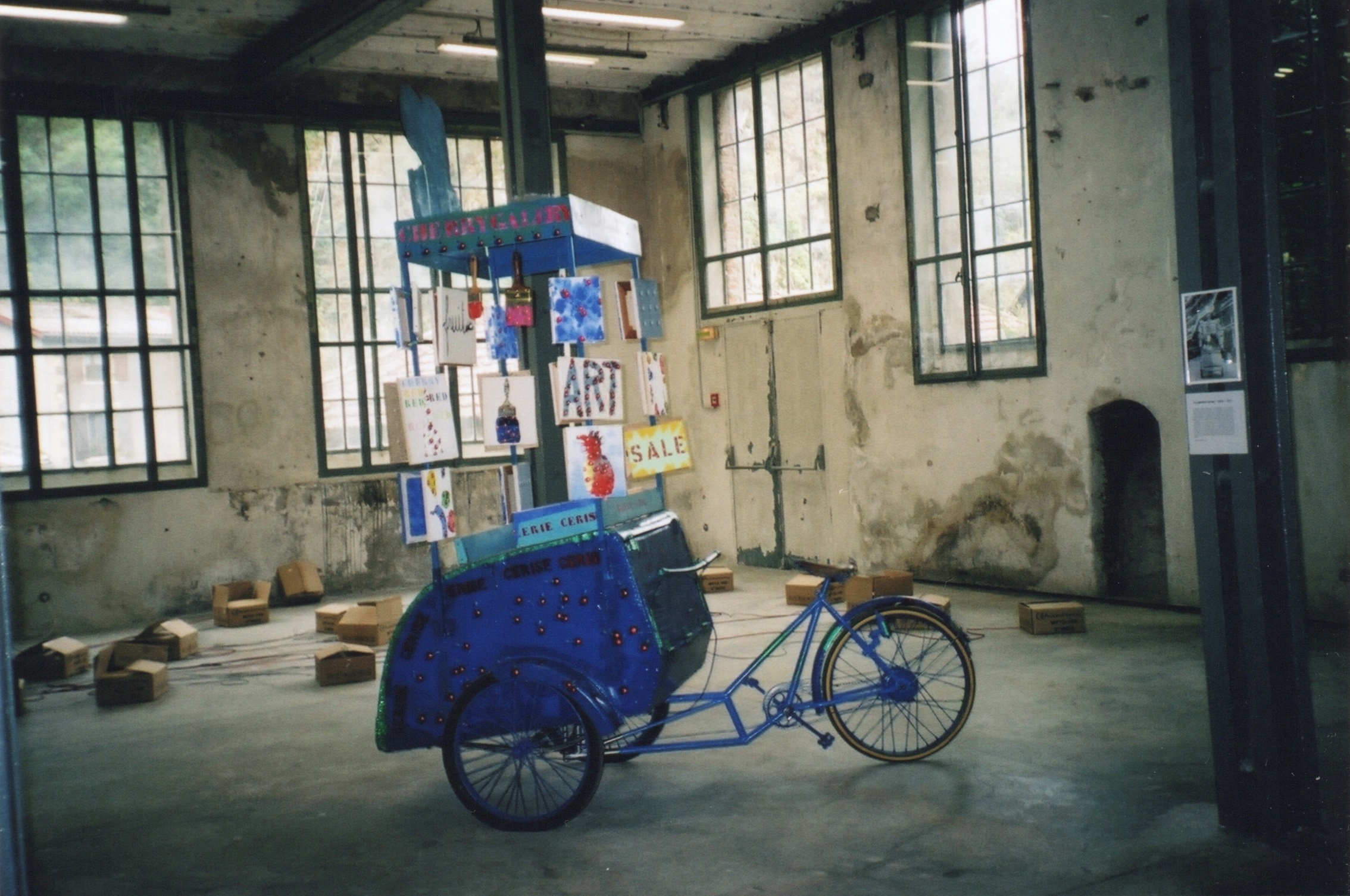
Galerie Cerise, 1976–1977
Mixed media
116.1 × 93.3 × 43.3 in
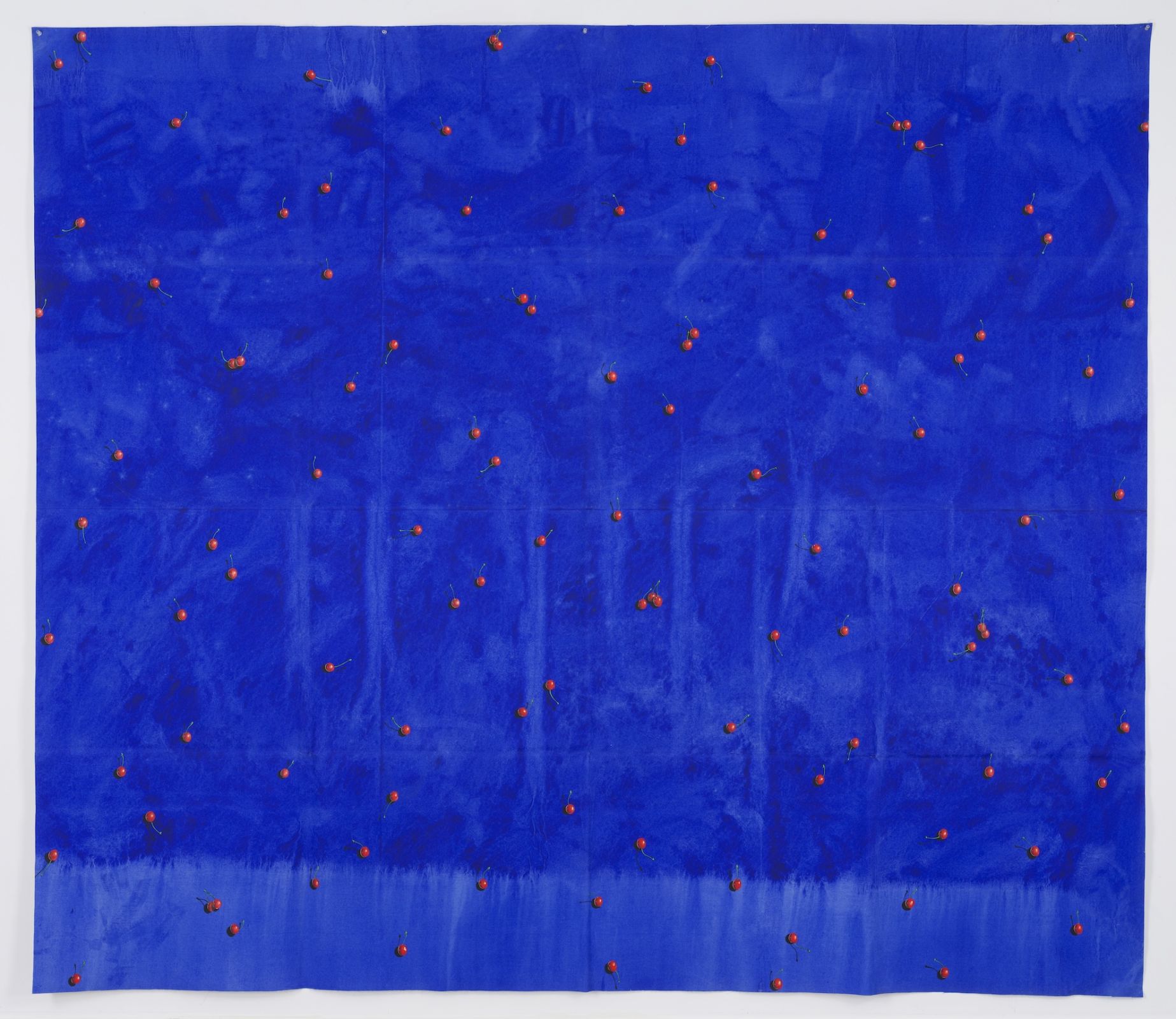
Composition, 1977
Acrylic on soft canvas
100.4 × 112.2 in
Photograph by François Lauginie
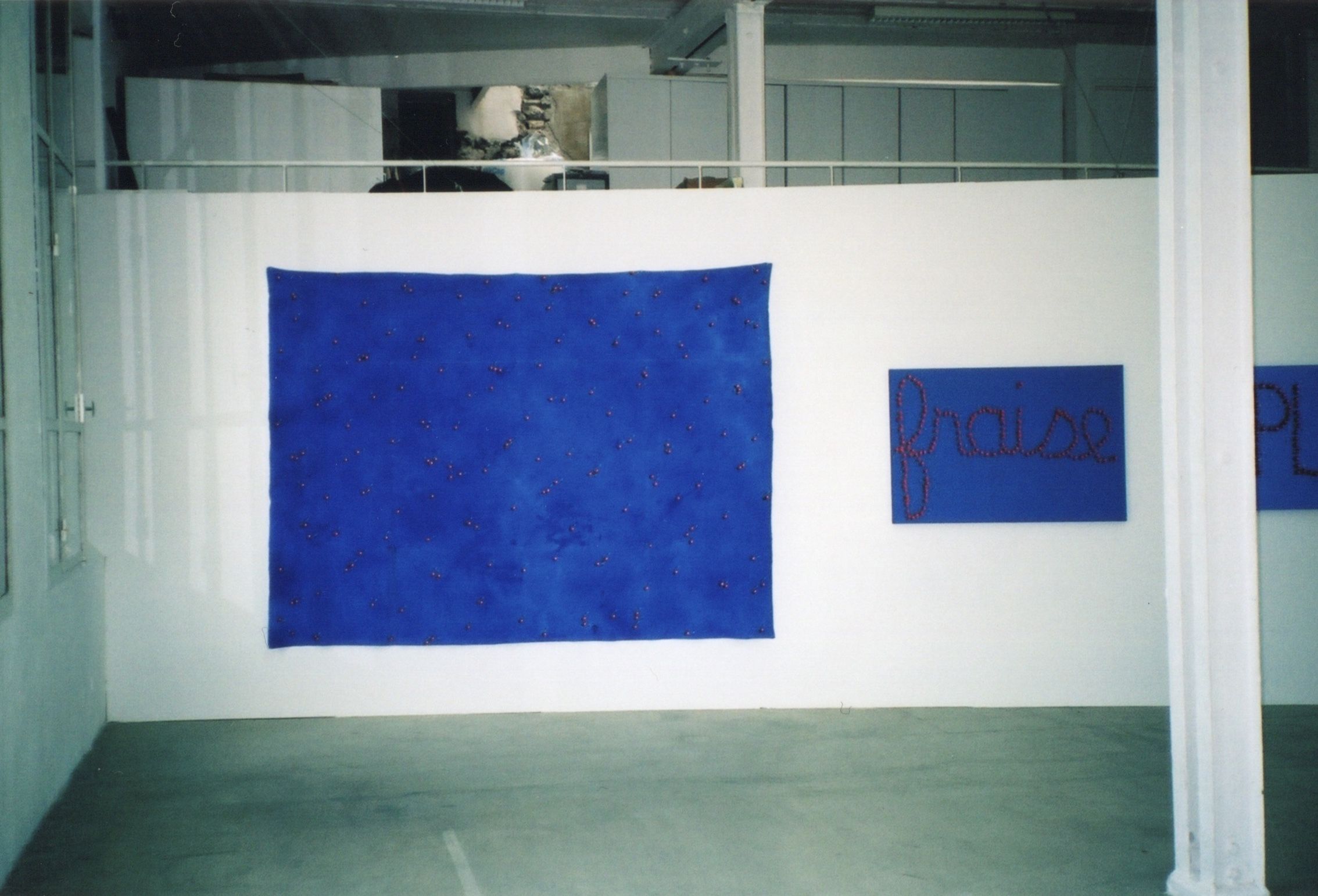
Composition cerisiste, 1975
Acrylic on soft canvas
85.8 × 112.2 in
Collection FRAC Auvergne
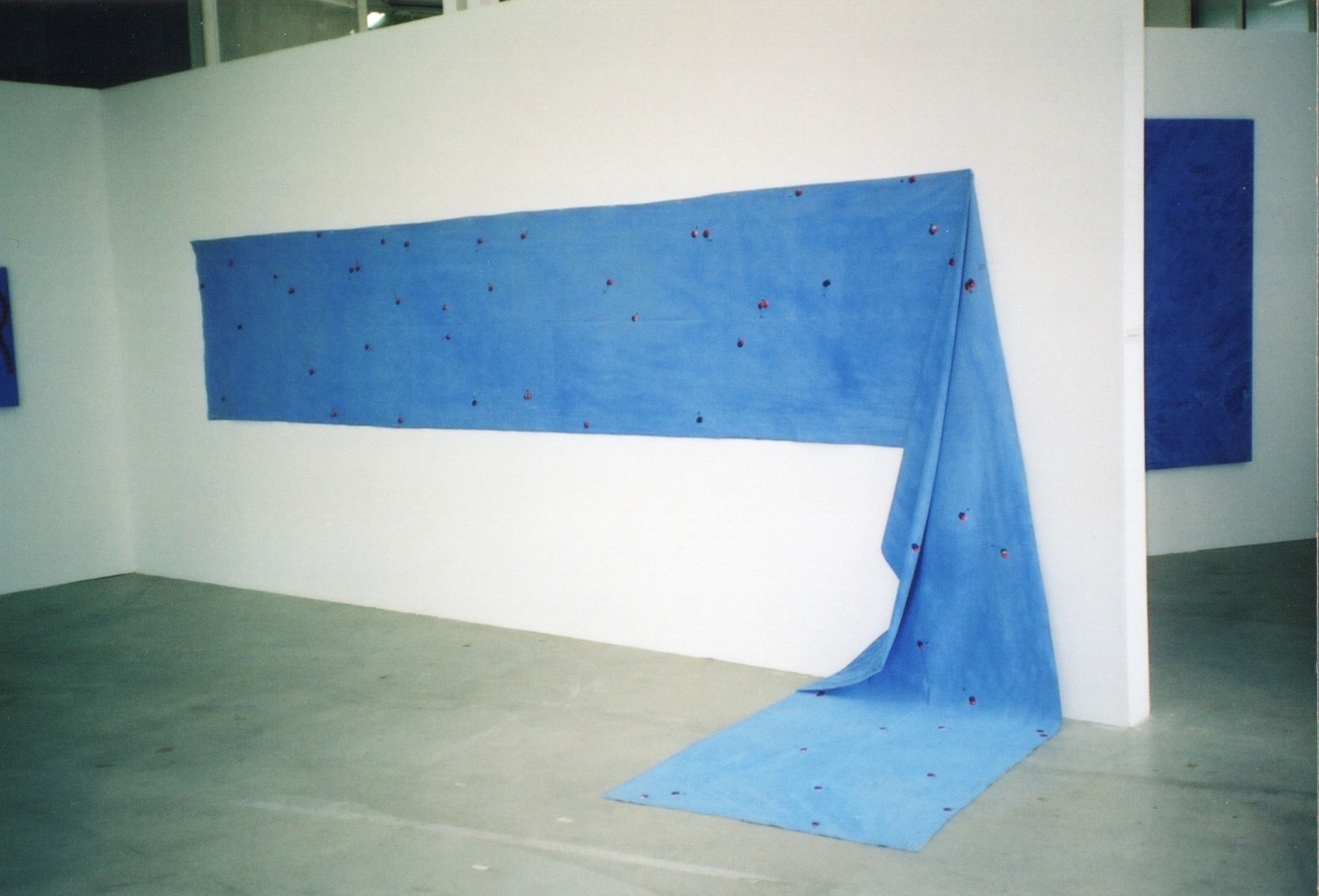
Souple bleue, 1975
Acrylic on soft canvas
31.5 × 206.7 in
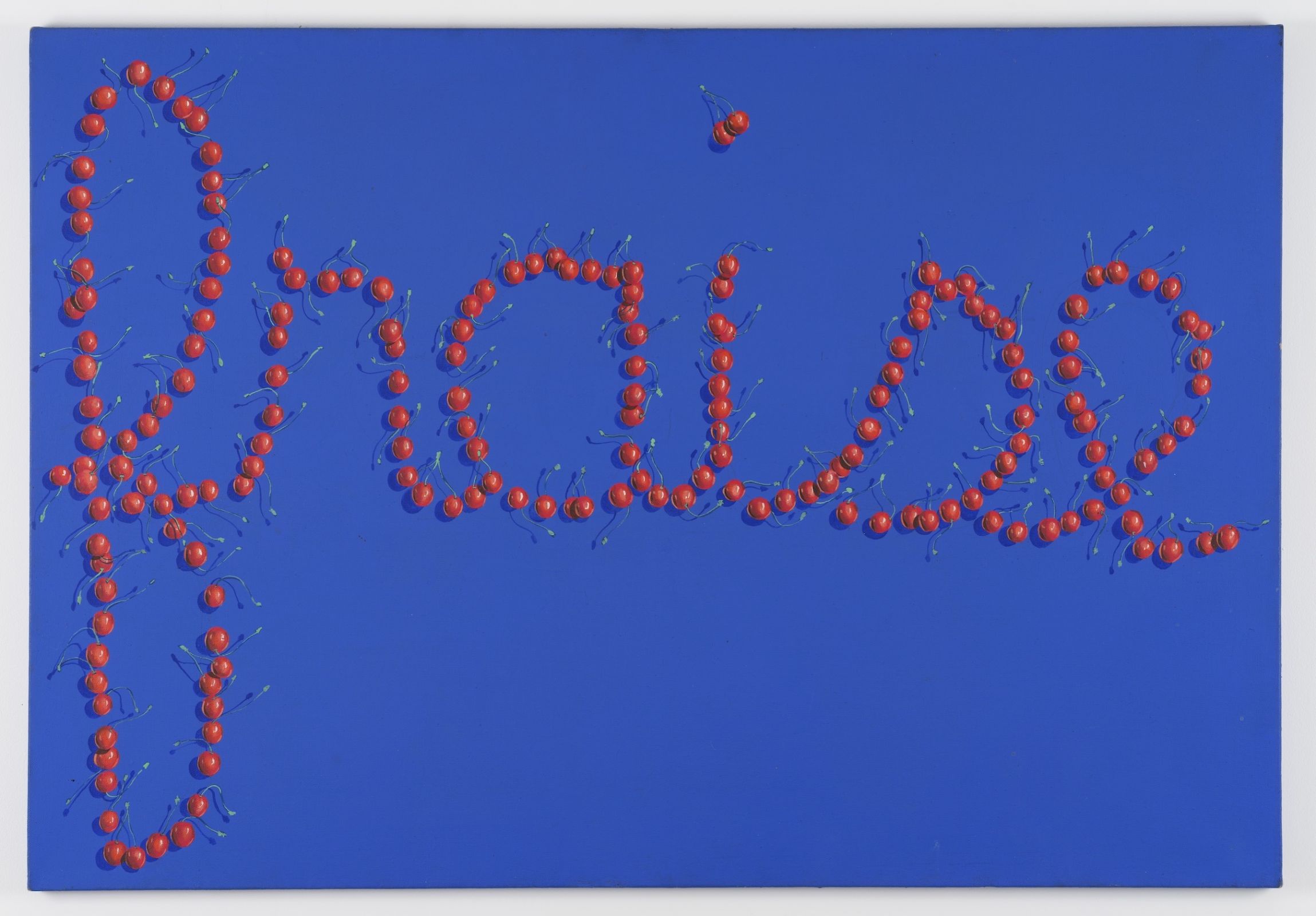
Fraise, 1975
Acrylic on canvas
35 × 51.2 in
Photograph by François Lauginie
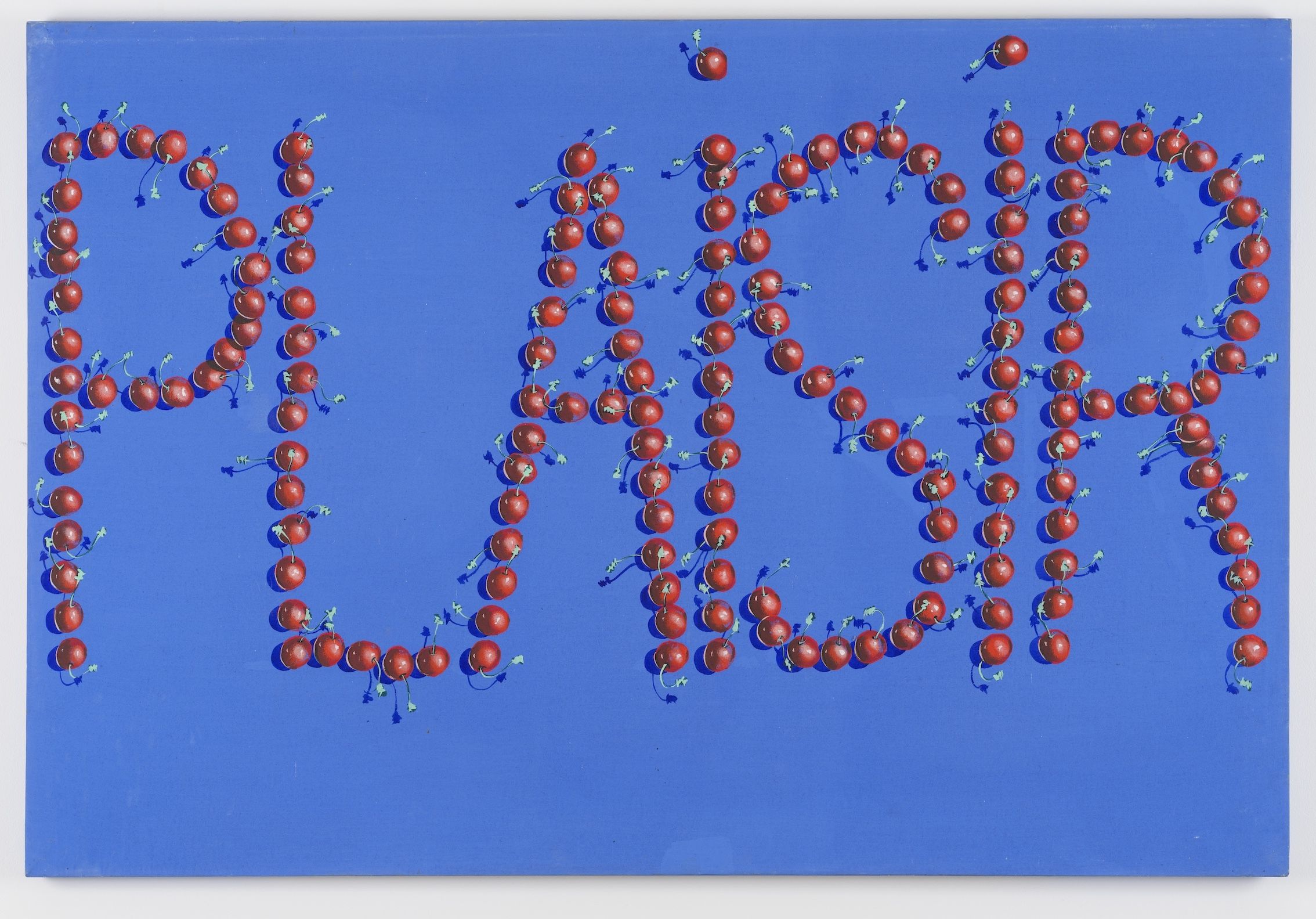
Plaisir, 1975
Acrylic on canvas
32.1 × 47.2 in
Photograph by François Lauginie
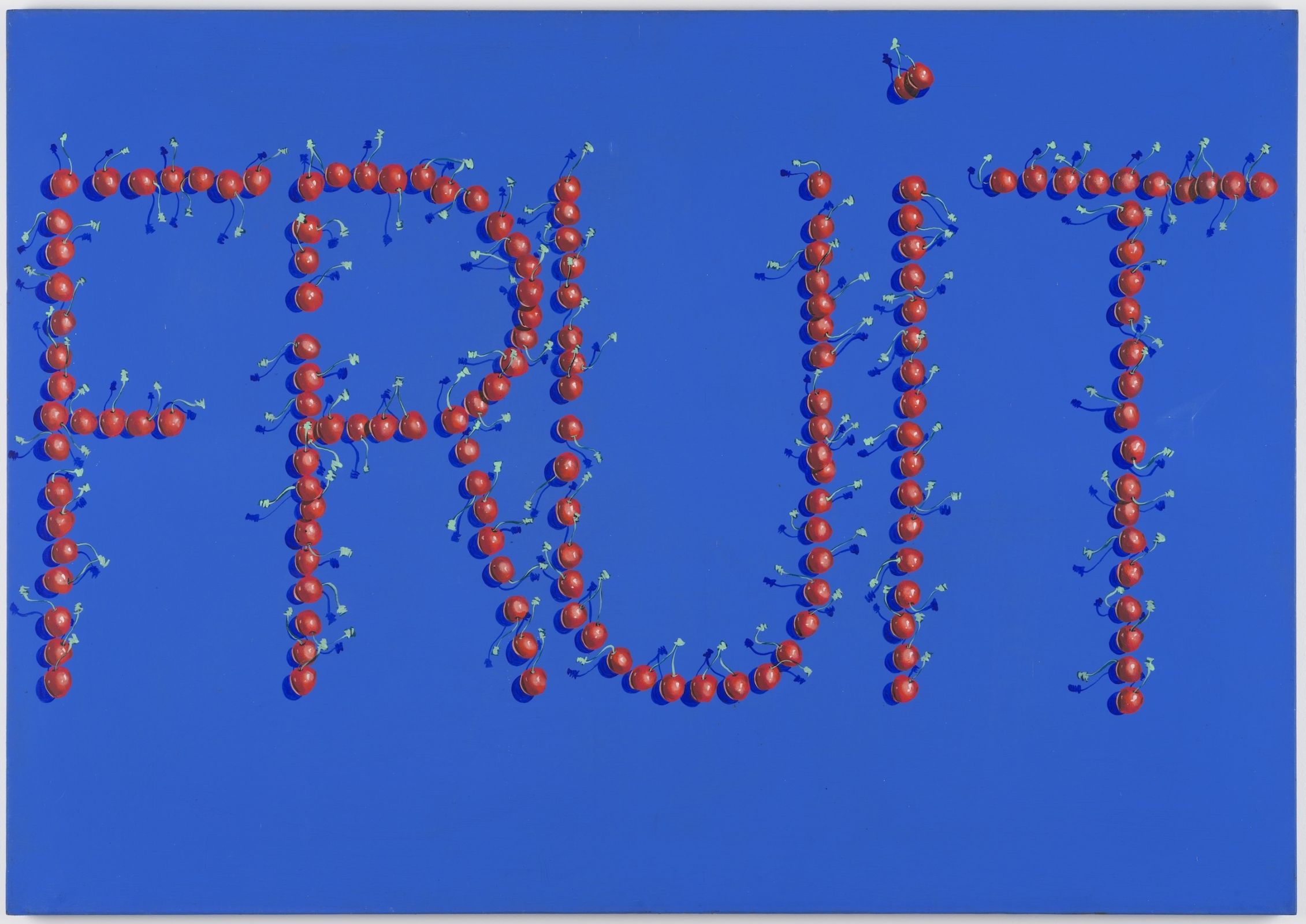
Fruit, 1975
Acrylic on canvas
32.1 × 47.2 in
Photograph by François Lauginie
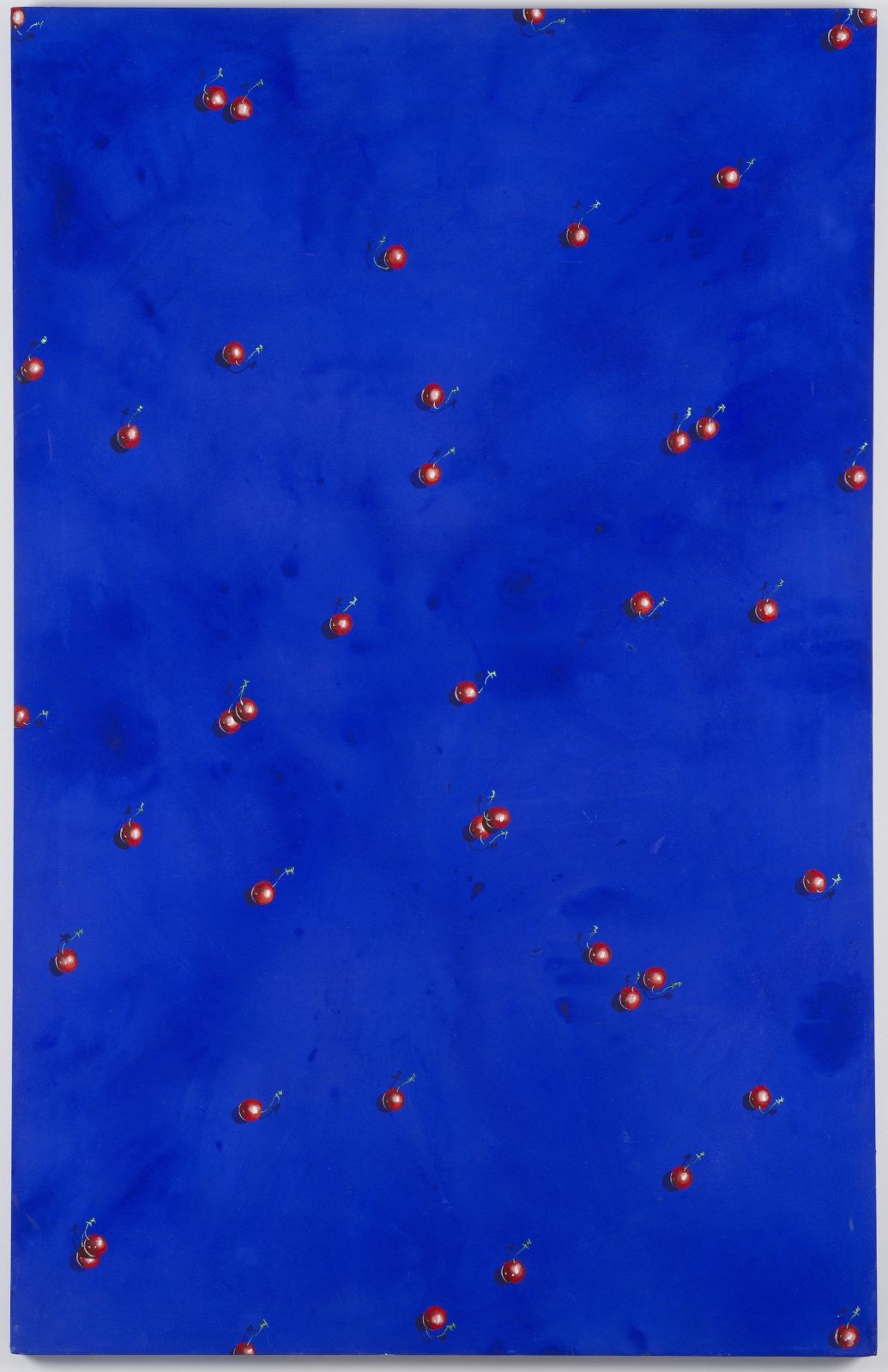
Sans titre, 1980
55.9 × 35.8 in
Acrylic on canvas
Photograph by François Lauginie
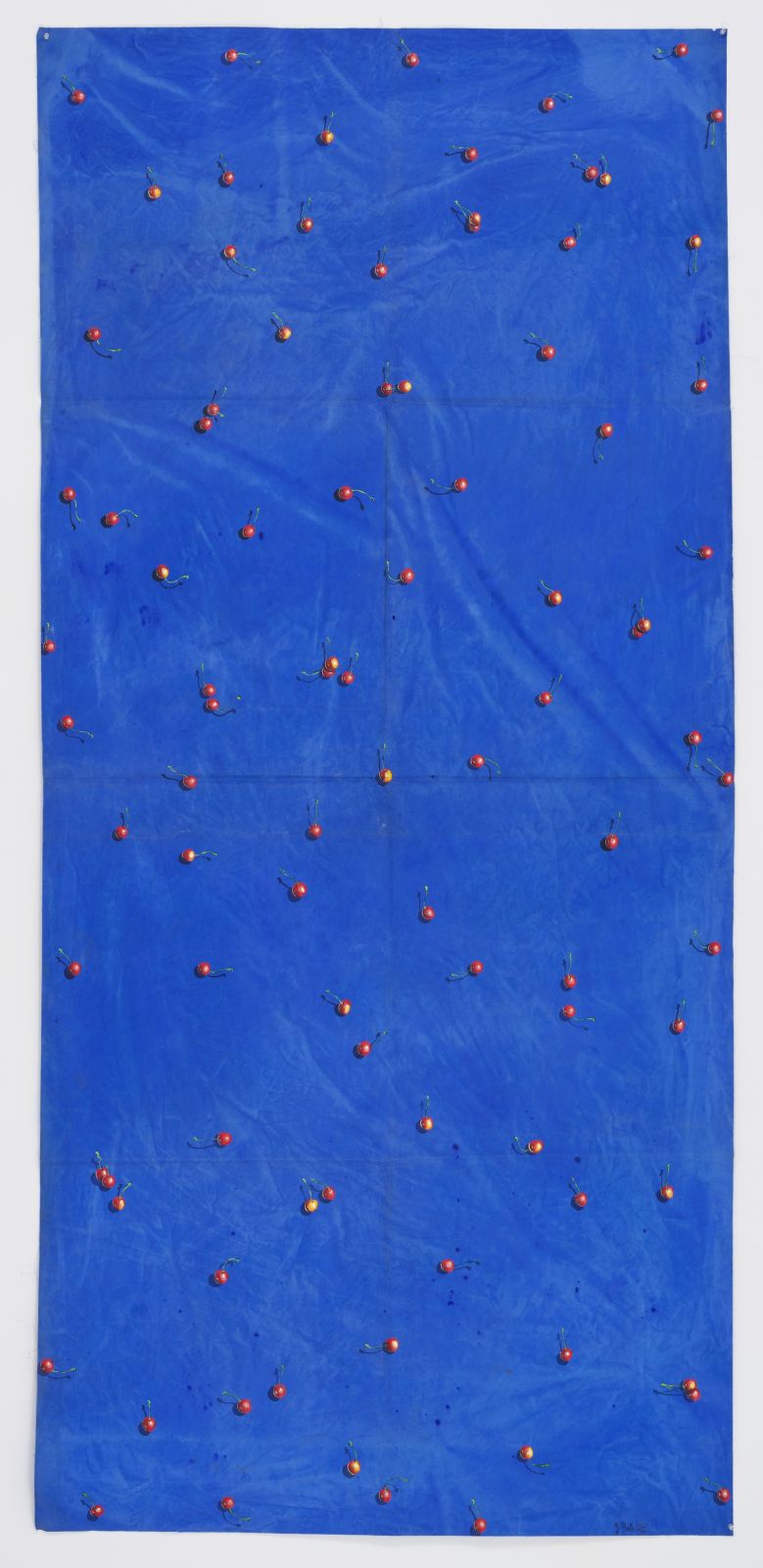
Souple bleue, 1978
105.5 × 48.2 in
Acrylic on soft canvas
Photograph by François Lauginie
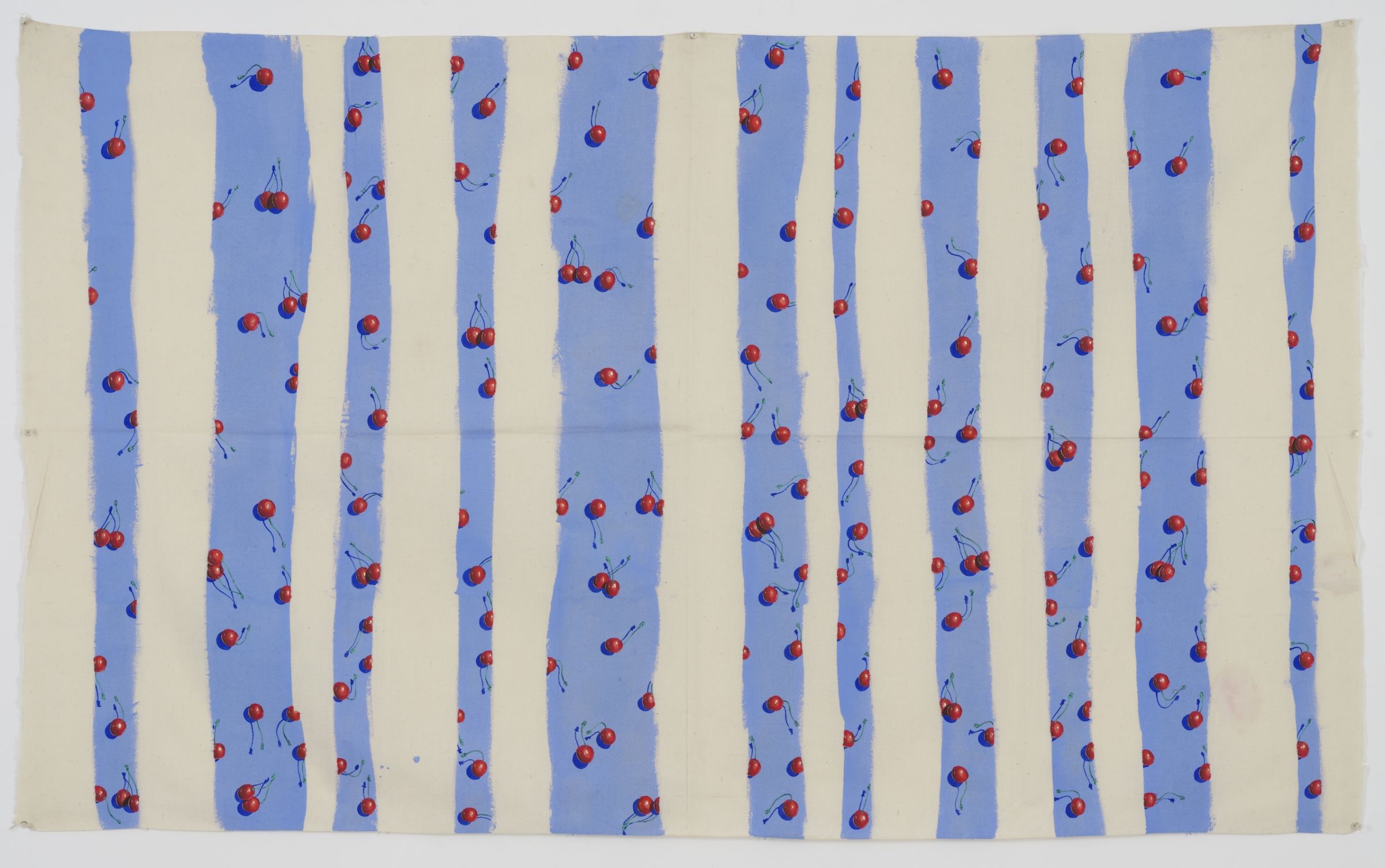
Souple, 1975
Acrylic on soft canvas
42.5 × 70.9 in
Photograph by François Lauginie
Invitation