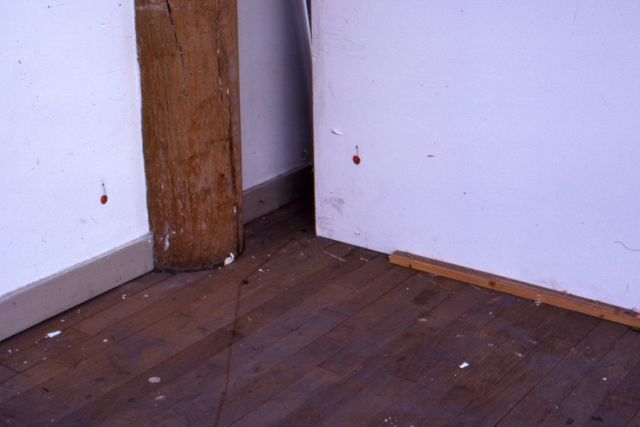
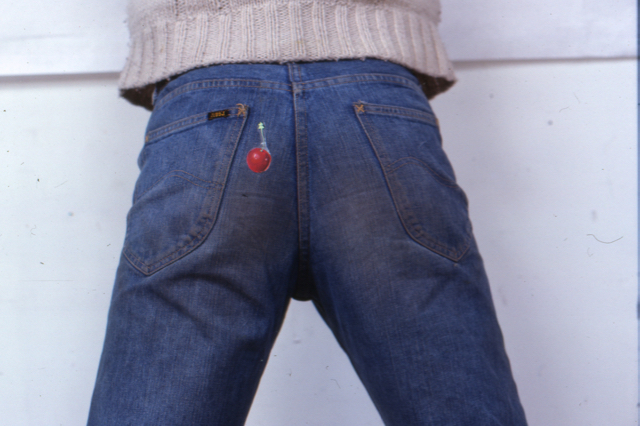
15000 stickers
December 8, 1980
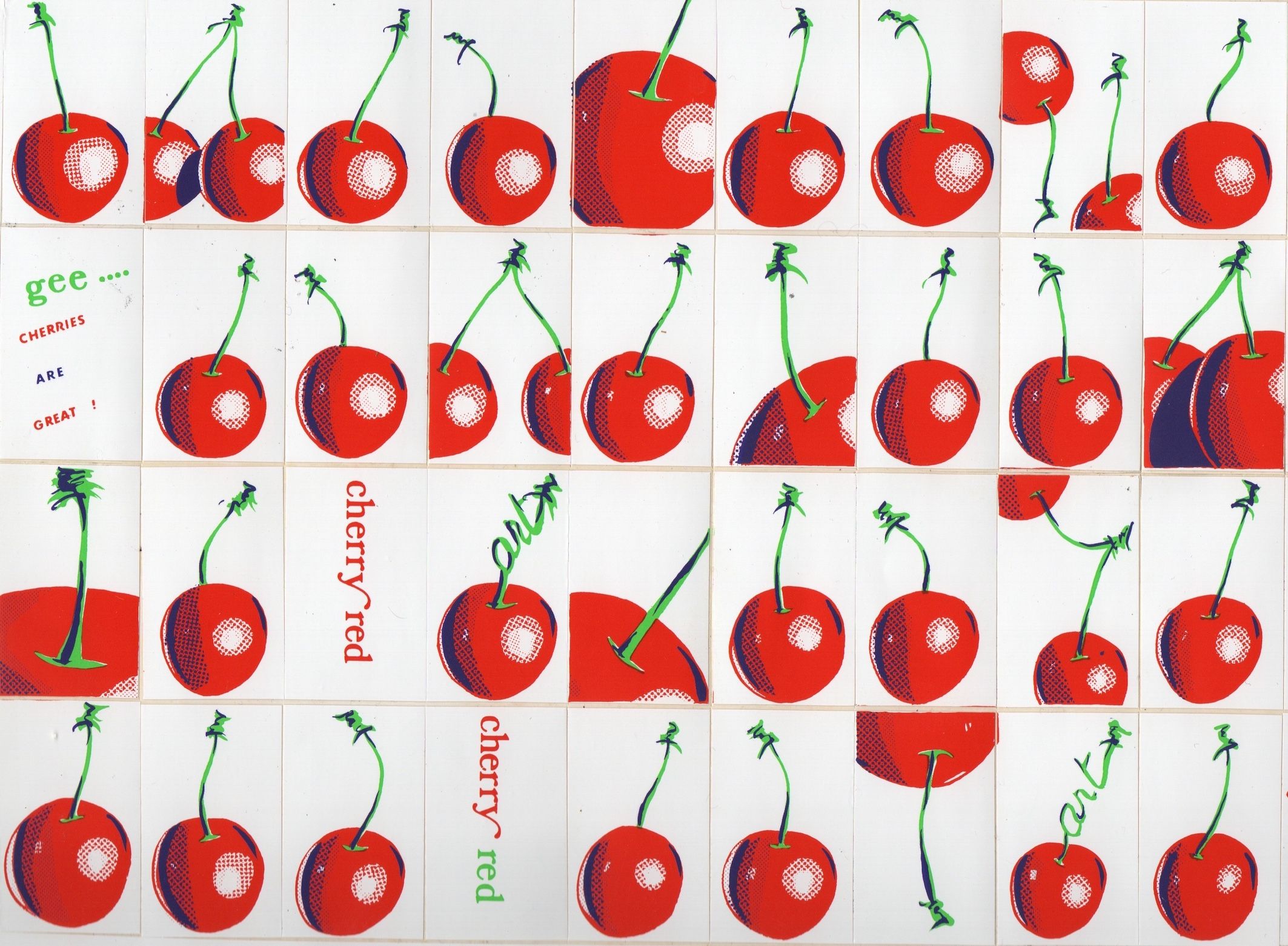
Stickers, 1980
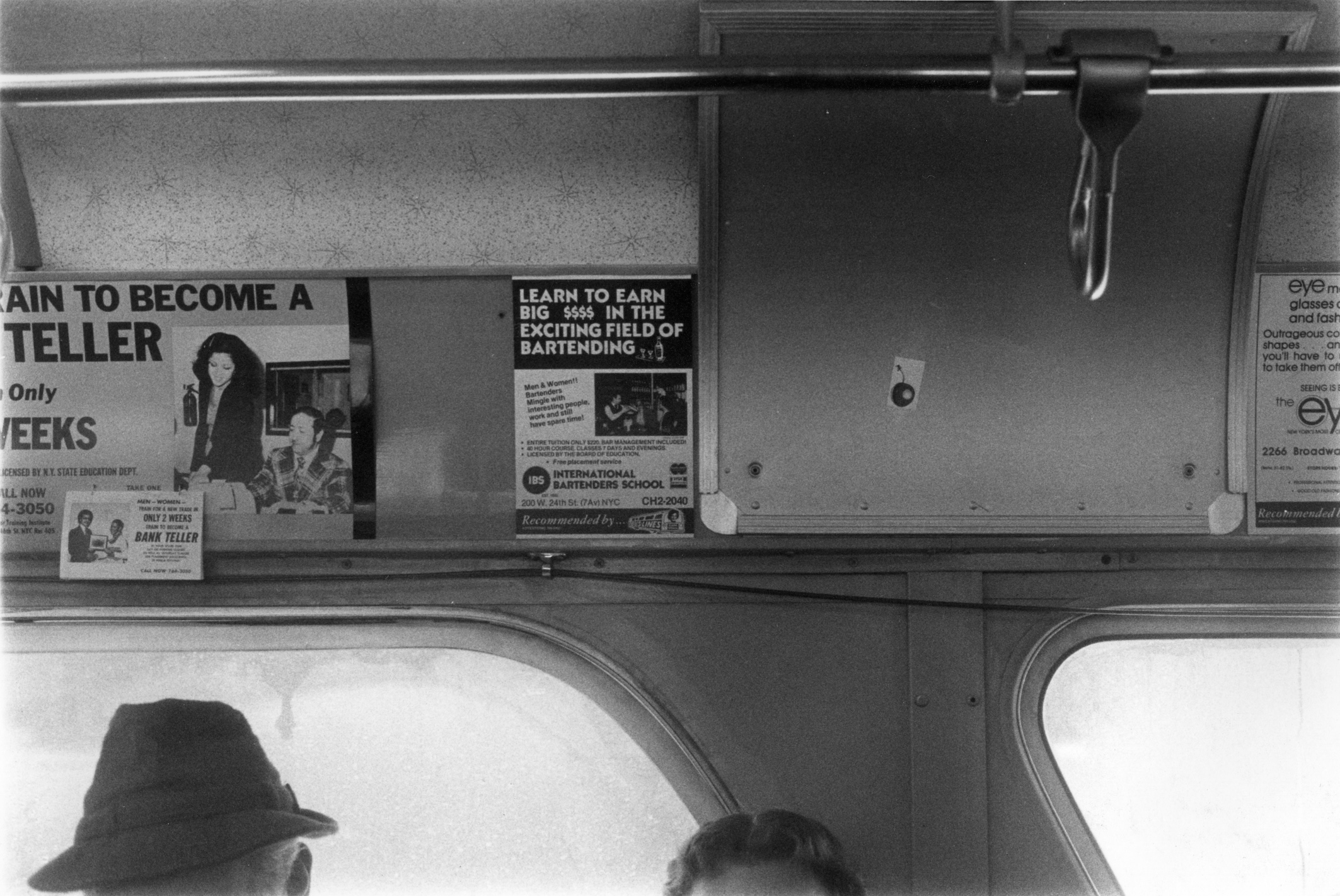
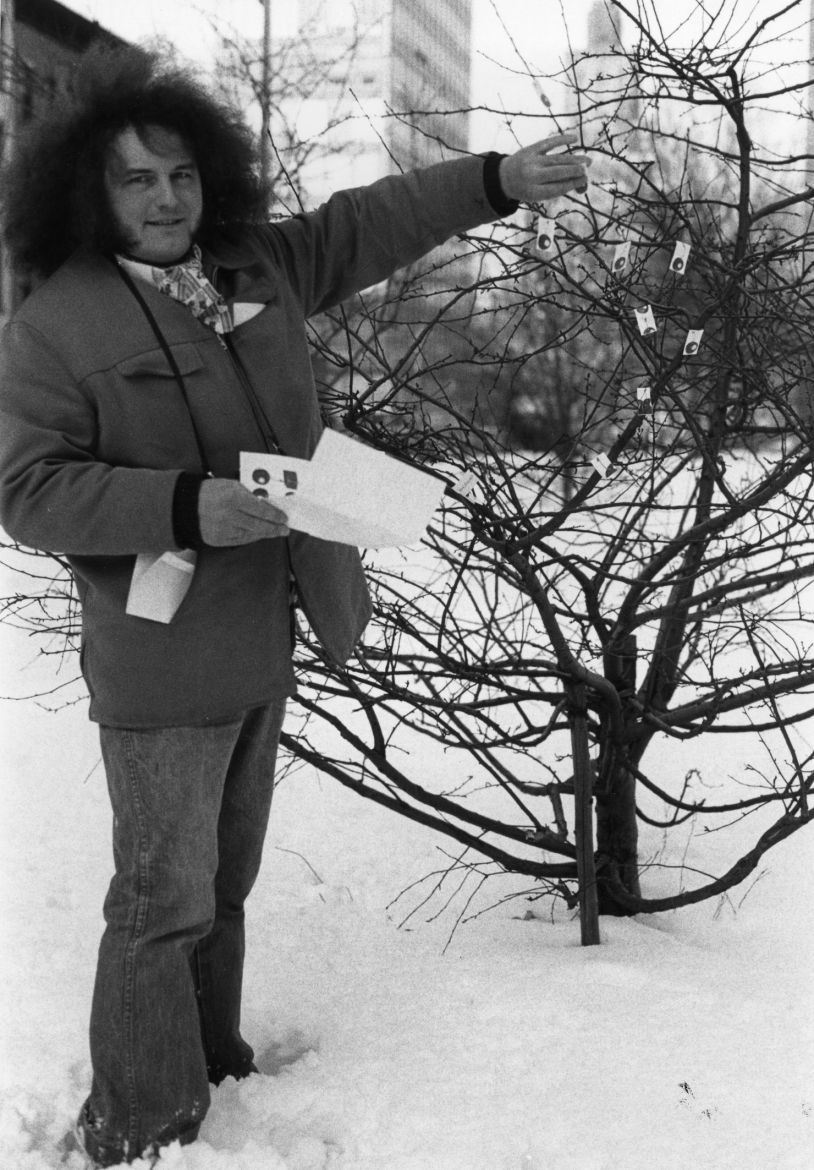
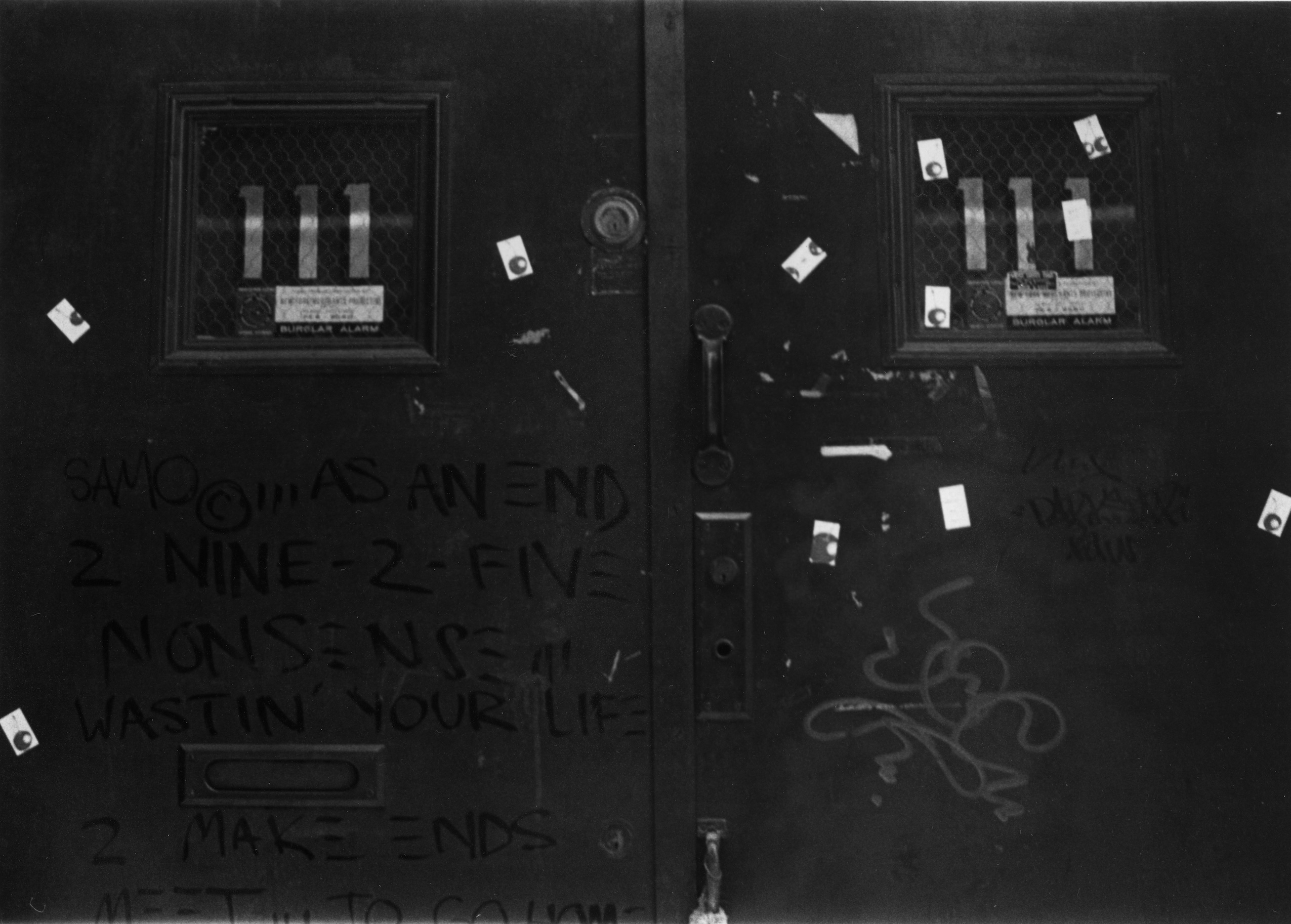
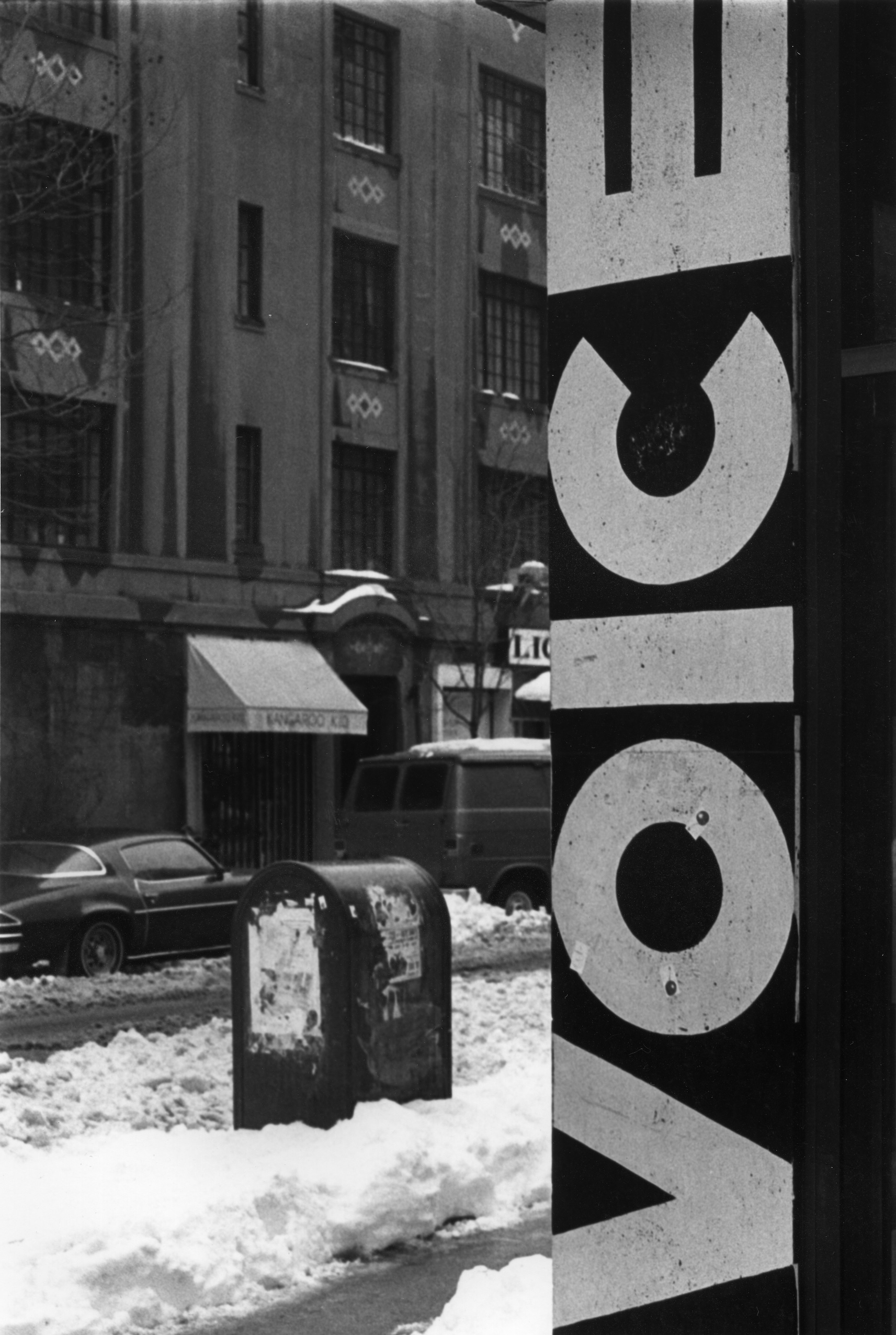
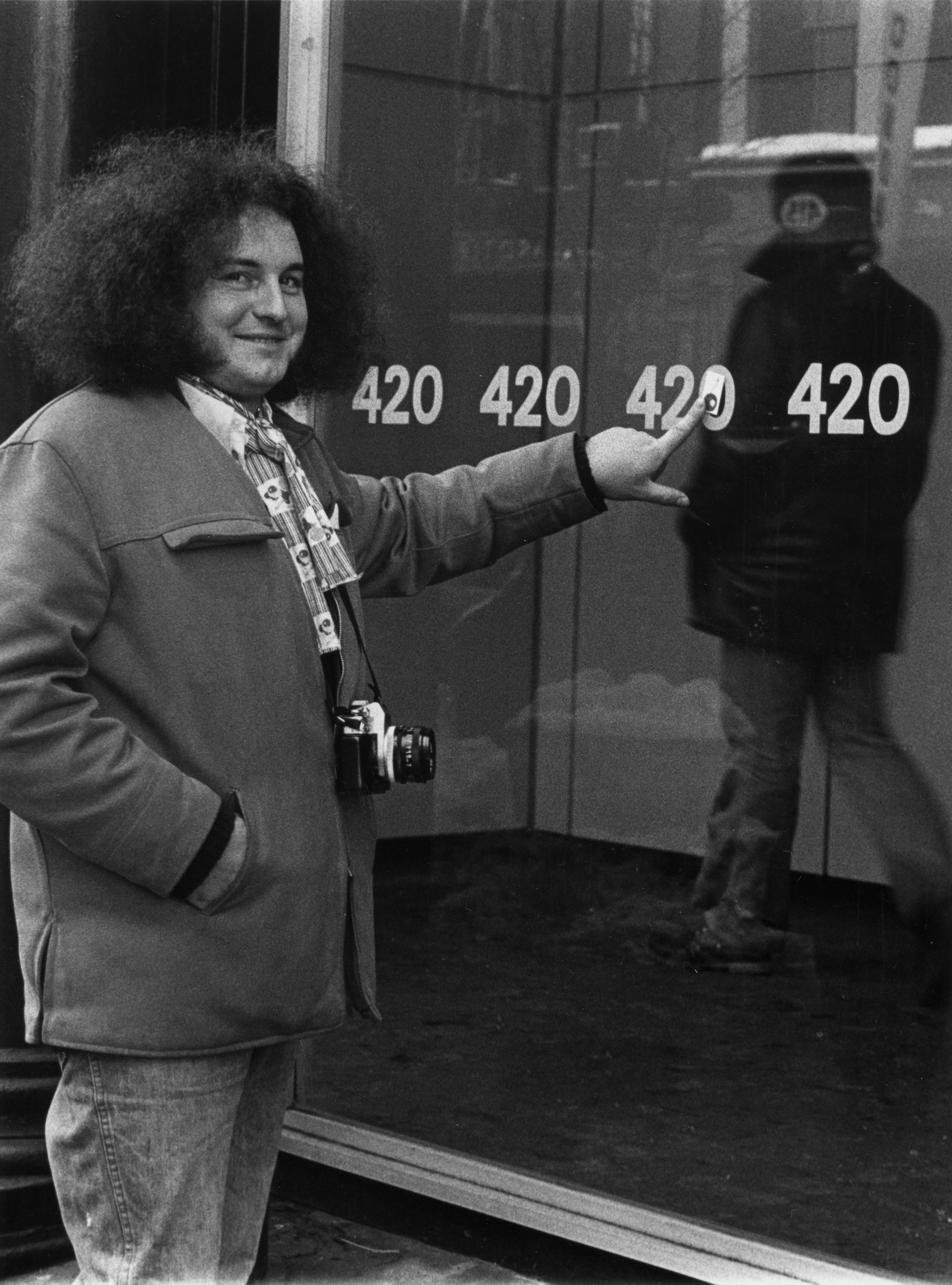
On December 8, 1980, in New York, Jacques Halbert occupied public space by pasting stickers throughout the city, focusing on gallery districts and areas near museums and media outlets. These stickers turned the city into an artistic medium and shifted attention toward everyday life. This large-scale dissemination reflects his practice, in which art blends into ordinary life, both in the street and in exhibition spaces. Through this urban intervention, Jacques Halbert reaffirms a constant thread in his work: a sustained interest in circulating his practice outside traditional art circuits.
15,000 stickers were produced by Peter Lenart, agent of Jacques Halbert.
Peter Lenart
Peter Lenart was an art dealer and independent agent active between New York, Paris, and Basel in the late 1970s and early 1980s. A cosmopolitan figure in the contemporary art world, he developed an international network between Europe and the United States, moving between art fairs and the more experimental circuits of the period’s art scene.
Jacques Halbert met Peter Lenart in 1978 at the Washington art fair, where the artist presented a solo show. Peter Lenart became his agent in both Europe and the United States, actively contributing to the dissemination of his work.
In 1979, at Art Basel, Peter Lenart exhibited works by Jacques Halbert at his booth alongside Olivier Mosset, Lawrence Weiner, and Nachum Tevet. In 1980, he organized the 15,000 Stickers project in New York. Peter Lenart died of AIDS in 1986.
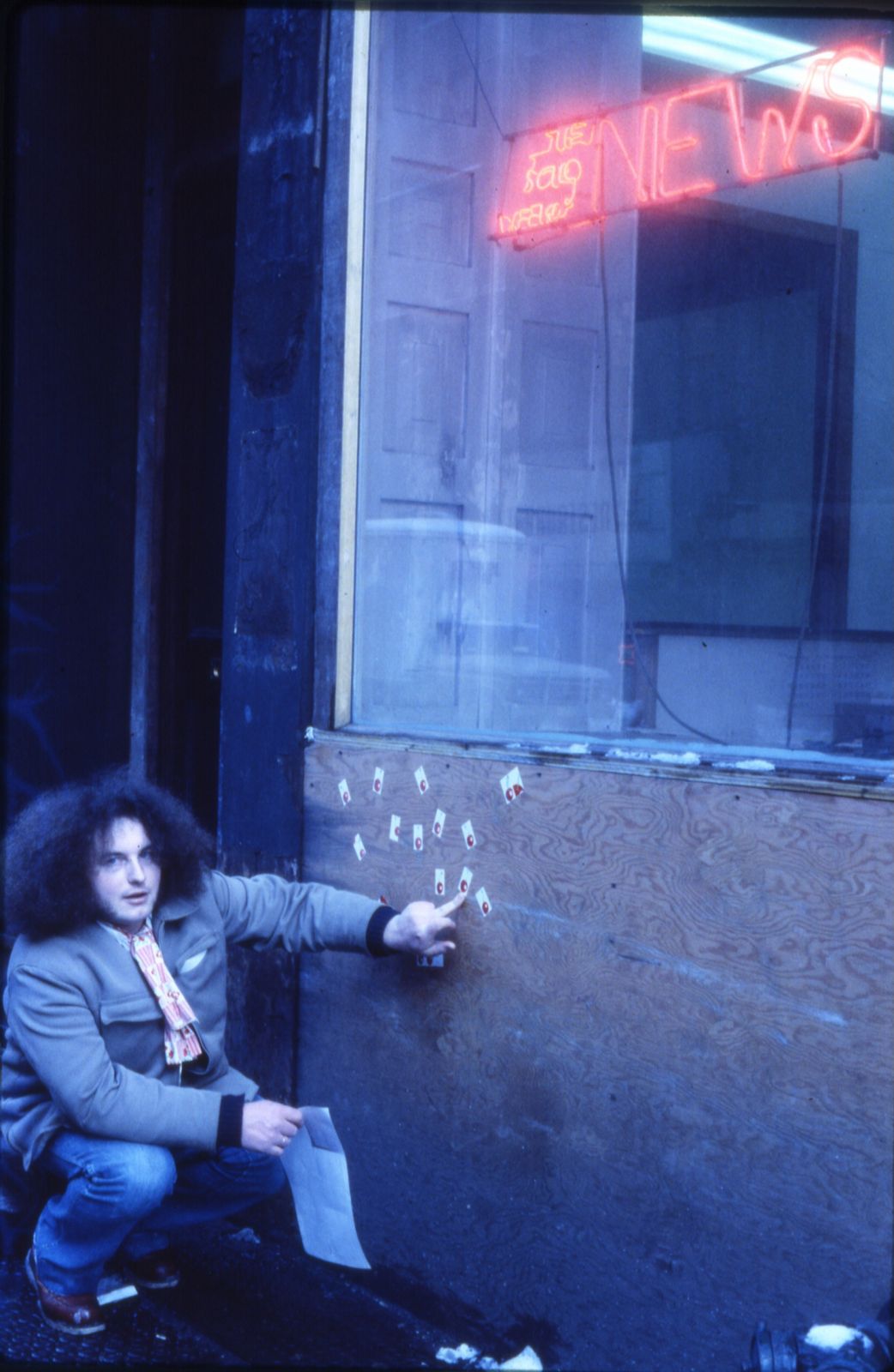
15000 Stickers, 1980
New-York
Photographie Peter Lenart
15000 stickers
December 8, 1980
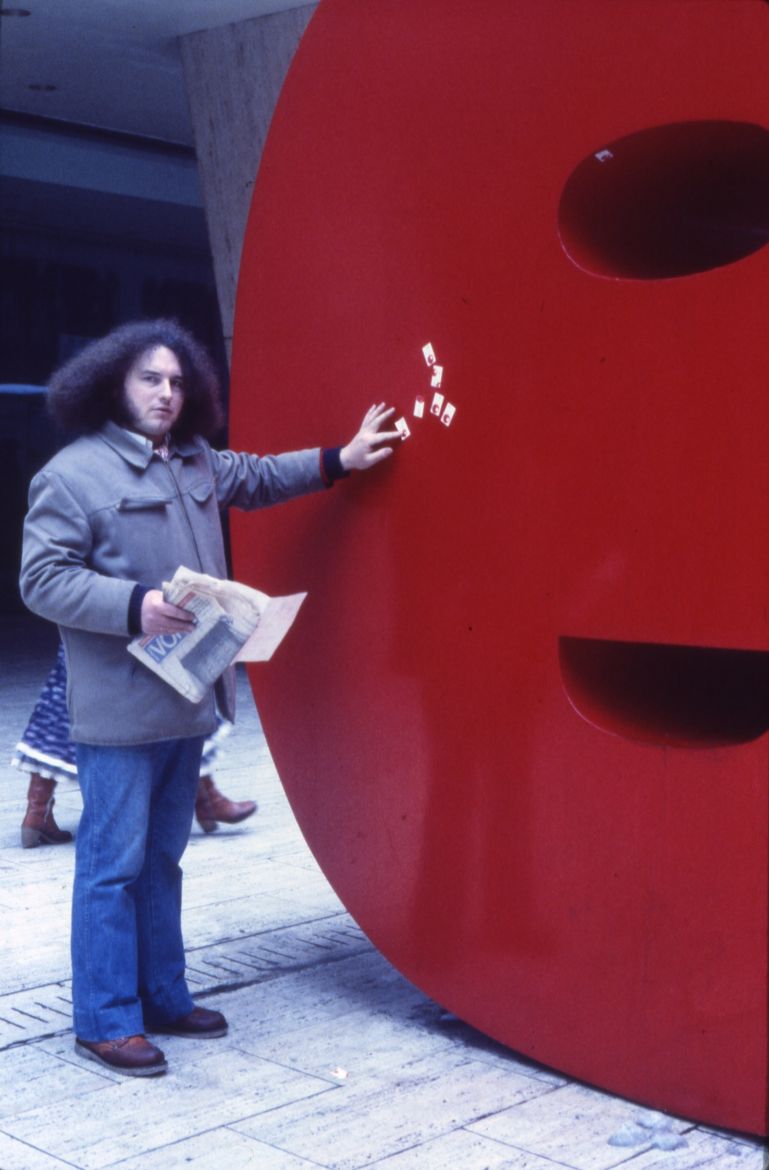
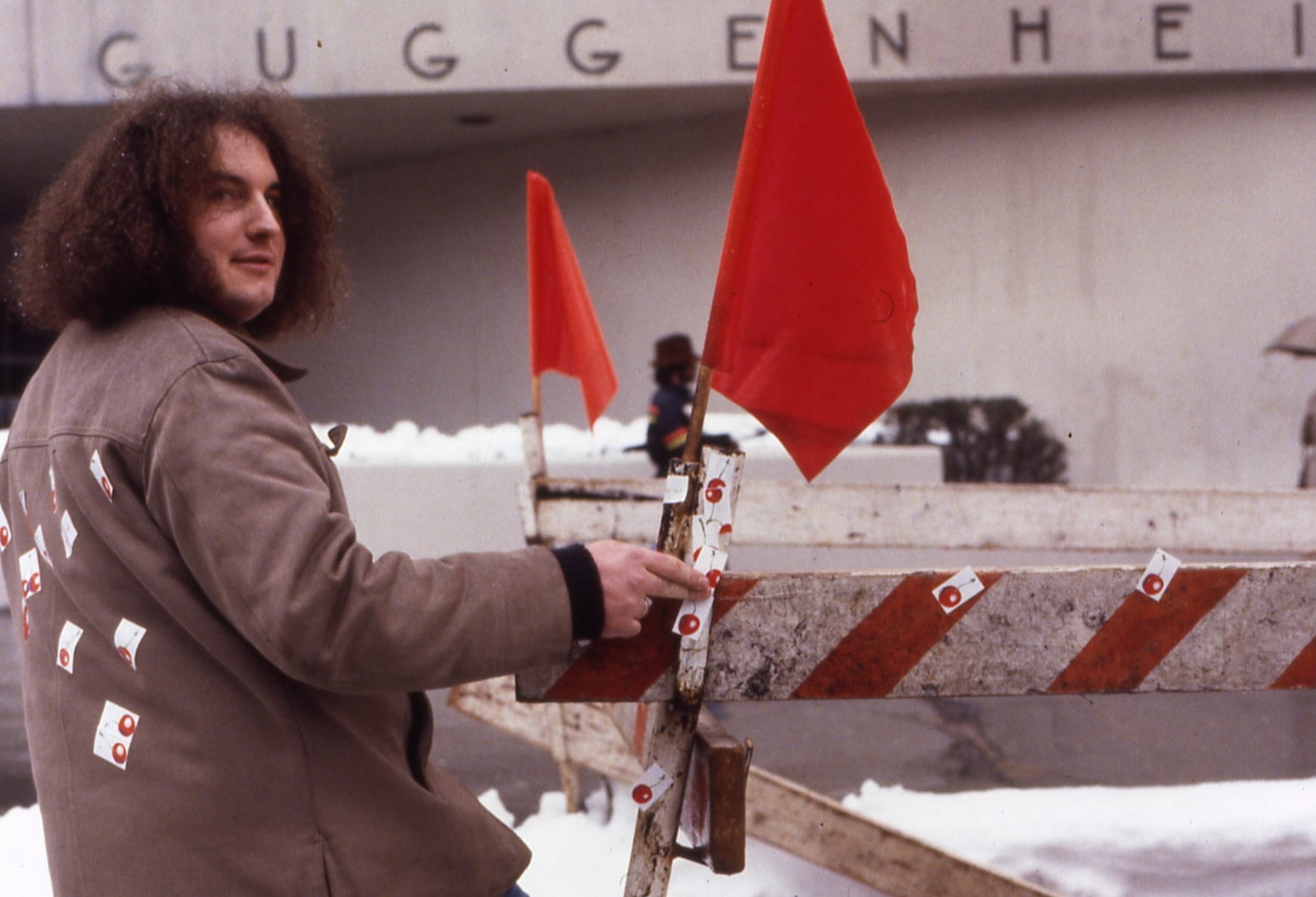
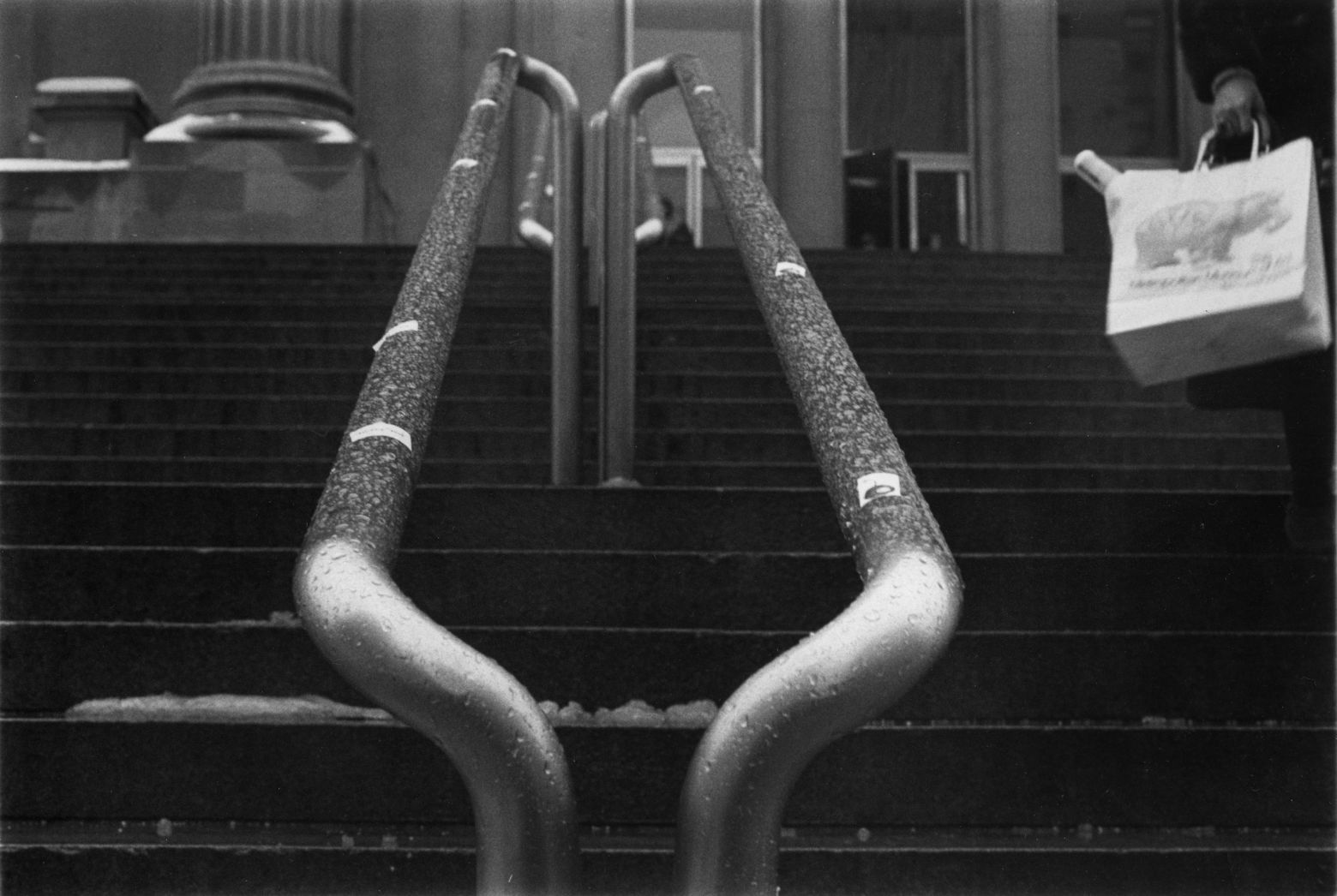
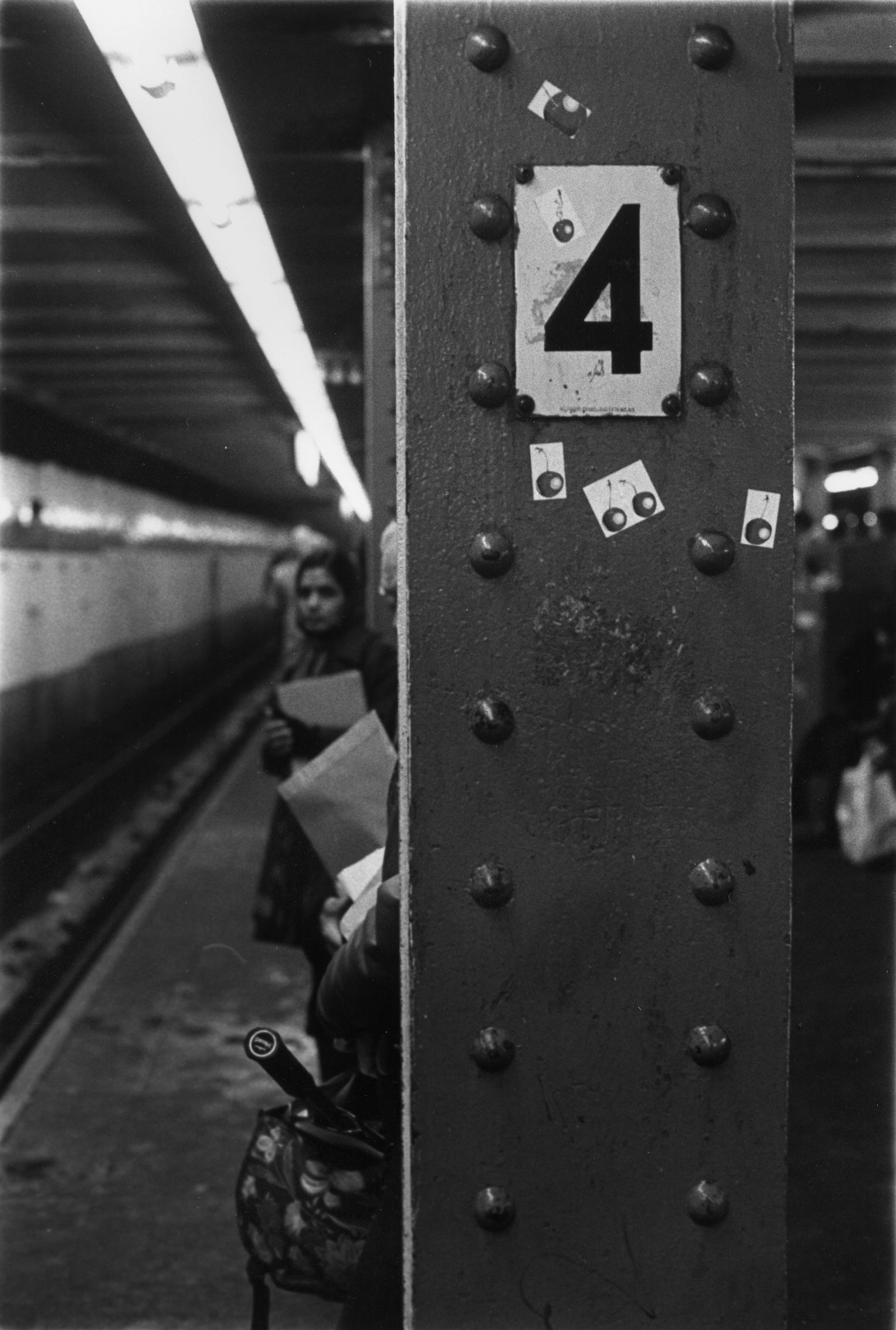

First painted stickers
1975
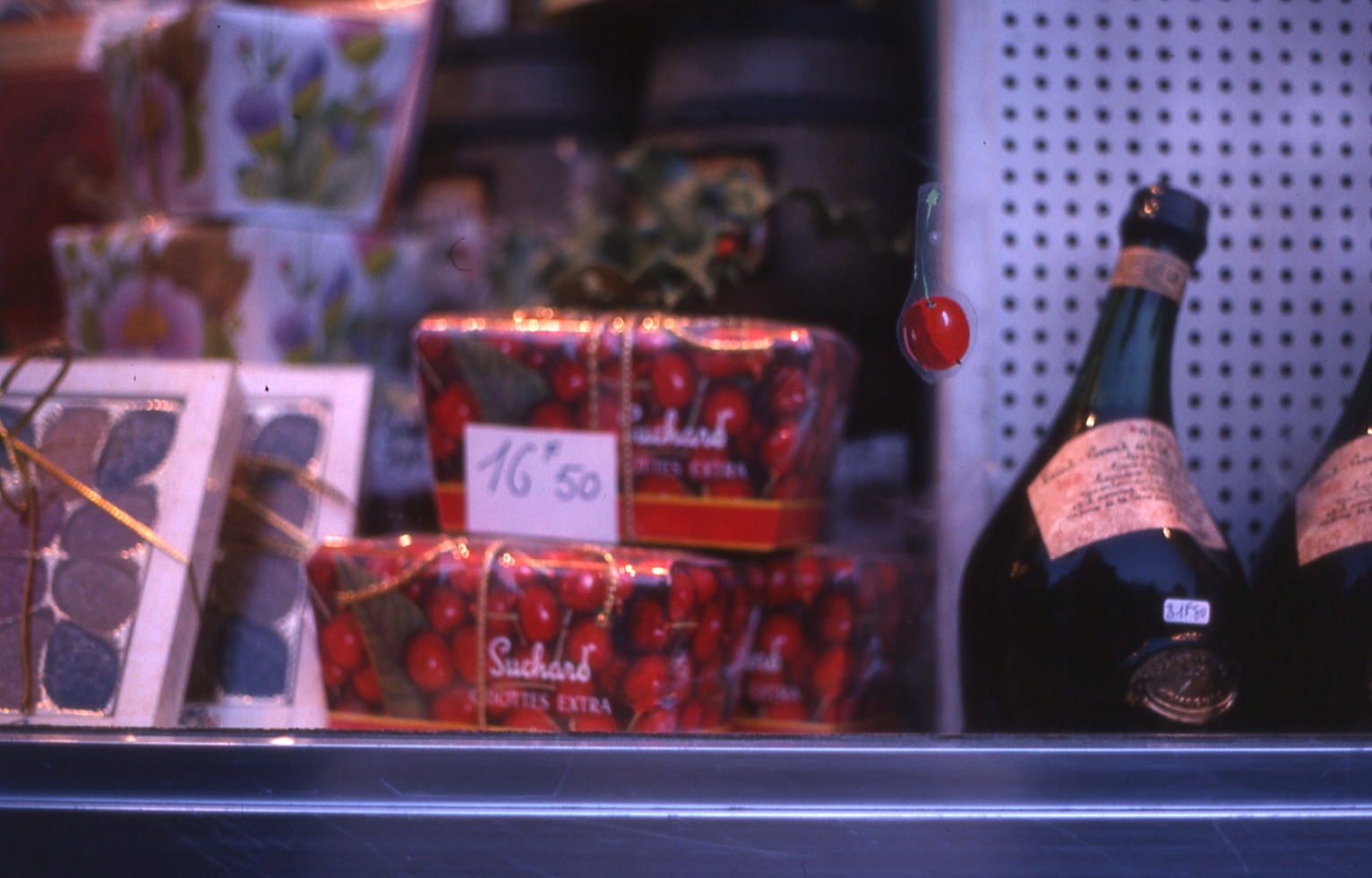
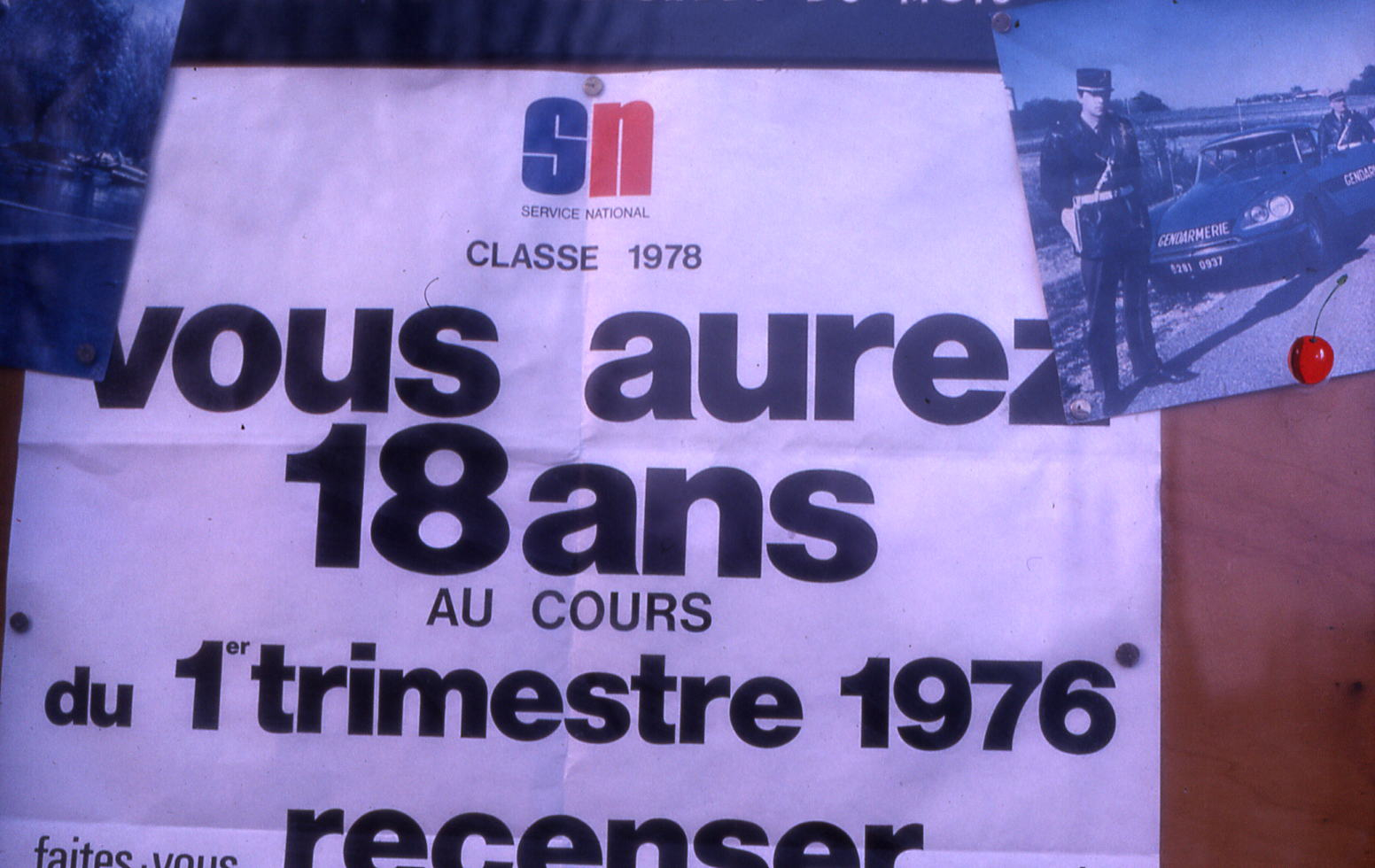
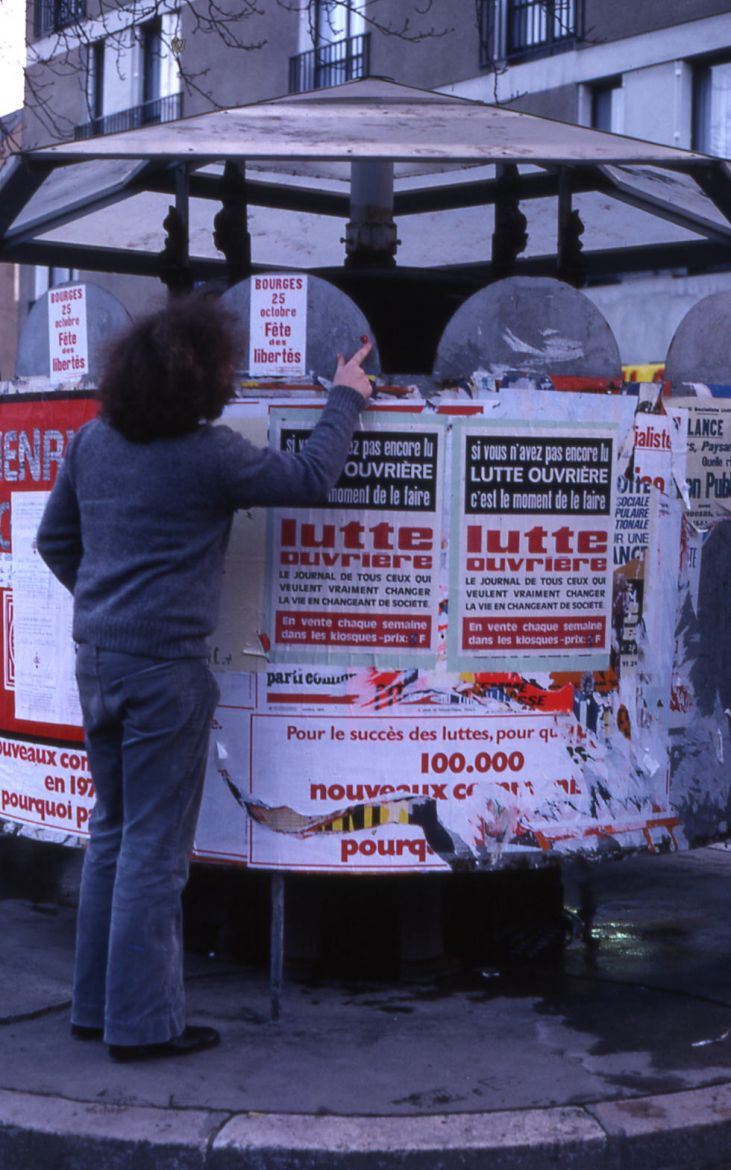
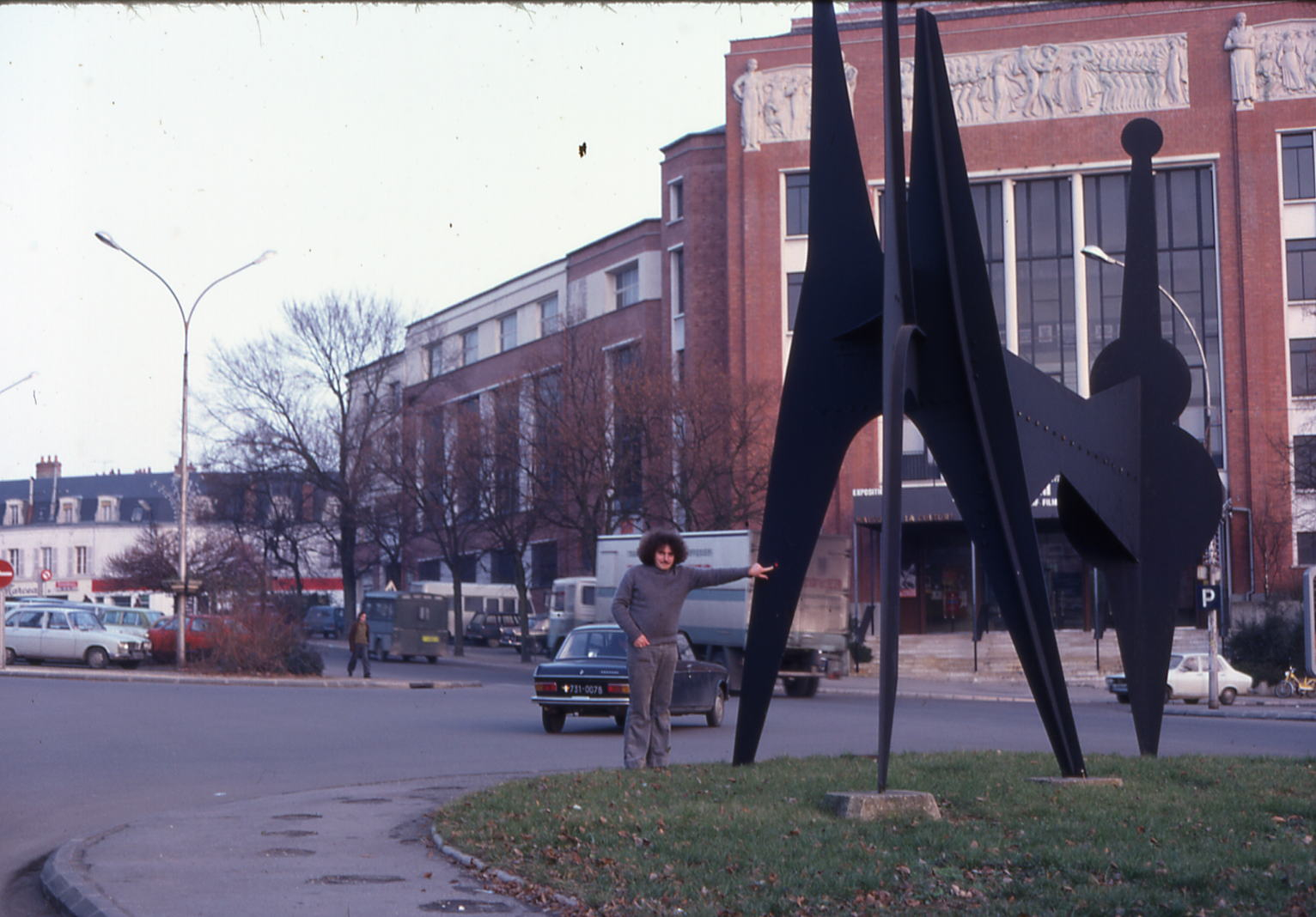
The painted sticker appears in the work of Jacques Halbert in 1975, at the very moment when the cherry motif emerges. From this period onward, painting, performance, and a desire to move art beyond its usual spaces form the foundations of his practice.
The sticker thus becomes a mobile and disseminable support, allowing painting to circulate in public space, in direct contact with reality and everyday uses.